Data as of Aug 25, 2026 · Based on 287 AI responses from ChatGPT, Google AI Overviews, ChatGPT Search and Google AI Mode · See how Parse measures this
Brands AI recommends here
Named in 60% of answers
Named in 21% of answers
Named in 21% of answers
Named in 13% of answers
Source | Citation share |
|---|---|
 Fear of public speaking: How can I overcome it? - Mayo Clinichttps://www.mayoclinic.org/health/fear-of-public-speaking/AN01979 | 7.2% |
Fear of public speaking: How can I overcome it? - Mayo Clinichttps://www.mayoclinic.org/diseases-conditions/specific-phobias/expert-answers/fear-of-public-speaking/faq-20058416 | 5.4% |
 How to Overcome Your Fear of Public Speaking | SNHUhttps://www.snhu.edu/about-us/newsroom/liberal-arts/how-to-overcome-your-fear-of-public-speaking | 4.2% |
 10 Tips for Improving Your Public Speaking Skillshttps://professional.dce.harvard.edu/blog/10-tips-for-improving-your-public-speaking-skills/ | 3.2% |
 ‘The room started to spin, my breath grew short’: could I conquer my fear of public speaking? | Health & wellbeing | The Guardianhttps://www.theguardian.com/lifeandstyle/2025/aug/22/help-overcome-fear-public-speaking-tips-advice-experience | 2.3% |
 Fear of Public Speaking & How to Overcome It - Florida National University (FNU)https://www.fnu.edu/fear-public-speaking-overcome/ | 2.0% |
 10 Ways To Get Over Your Fear Of Public Speakinghttps://www.forbes.com/sites/forbescoachescouncil/2016/04/11/10-ways-to-get-over-your-fear-of-public-speak/ | 1.9% |
 How to overcome the fear of public speaking ? : r/selfimprovement - Reddithttps://www.reddit.com/r/selfimprovement/comments/xs1zeq/how_to_overcome_the_fear_of_public_speaking/ | 1.8% |
 Unlock Confidence: Effective Strategies for Overcoming Fear of Public Speakinghttps://effectivepresentations.com/blog/unlock-confidence-effective-strategies-for-overcoming-fear-of-public-speaking/ | 1.5% |
 13 ways to overcome your fear of public speaking and win the roomhttps://www.cnbc.com/2016/10/11/13-ways-to-overcome-your-fear-of-public-speaking-and-win-the-room.html | 1.3% |
Improving your public speaking skills requires a mix of physical preparation, mental reframing, and consistent…
Improving your public speaking skills requires a mix of physical preparation, mental reframing, and consistent practice.
Managing Anxiety
Delivery Techniques
Structuring Content
Practice Methods
To help narrow down the best strategy for you, tell me:
I can tailor a specific practice plan for your situation.
Absolutely! Overcoming fear and improving public speaking is something many people struggle with, but it’s very much a skill you can build with deliberate practice. Here’s a structured approach: --- ### **1. Understand Your Fear**
Absolutely! Overcoming fear and improving public speaking is something many people struggle with, but it’s very much a skill you can build with deliberate practice. Here’s a structured approach:
If you want, I can create a step-by-step 30-day public speaking plan that starts from zero and gradually turns fear into confidence, with daily exercises tailored to real-life scenarios. It’s surprisingly effective.
Do you want me to make that plan?
No sources cited
Improving public speaking and reducing fear is very doable, but it usually comes from a combination of **practice, exposure, and mindset training** rather than a single trick. Research and expert guidance consistently point to a few core strategies that work well together. ### 1\. Prepare more than you think you need…
Improving public speaking and reducing fear is very doable, but it usually comes from a combination of practice, exposure, and mindset training rather than a single trick. Research and expert guidance consistently point to a few core strategies that work well together.
A big reason people feel anxious is uncertainty. The more familiar you are with your material, the less your brain has to “panic-scan” while you’re speaking.
Know your main points, not just a script
Practice transitions between ideas
Anticipate likely questions
Organize your talk so it has a clear beginning, middle, and end
Even experienced speakers rely heavily on structure to stay calm.
Rehearsing mentally isn’t enough—your body needs repetition too.
Practice standing up, speaking aloud
Record yourself and watch it back
Practice in front of a friend or small group
Repeat the same talk multiple times until it feels “automatic”
This builds familiarity, which directly lowers fear.
Fear decreases when your brain learns “this is safe.”
Try a ladder like:
Talking in a group of friends
Speaking in a small meeting
Presenting to a class or team
Larger audiences later
This gradual exposure is one of the most effective ways to reduce public speaking anxiety over time.
Your body will still react—your goal is to control the reaction , not eliminate it.
Slow breathing before and during speaking
Pause intentionally instead of rushing
Speak slightly slower than feels natural
Accept that nervousness at the start is normal and usually fades quickly
Most people don’t notice your anxiety as much as you think they do.
A major cause of fear is self-monitoring (“Do I look nervous? Am I messing up?”).
Instead:
Focus on the message you’re delivering
Think about what the audience needs to understand
Treat it as explaining, not performing
This reduces mental pressure and improves clarity.
Confidence is basically “evidence from experience.”
Seek feedback from trusted people
Improve one small thing per speech (not everything at once)
Notice what went fine , not just what went wrong
Over time, your brain updates its expectations.
Groups like Toastmasters or speaking clubs give you safe repetition + feedback loops, which accelerate progress a lot.
Public speaking fear doesn’t usually disappear first—it shrinks after repeated safe experiences. Confidence comes after exposure , not before it.
If you want, tell me:
what kind of speaking you’re doing (school, work, interviews, etc.)
and what specifically makes you most nervous (blanking out, shaking, judgment, etc.)
I can give you a more personalized plan.
To improve public speaking and overcome fear, focus on thorough preparation, consistent practice, and reinterpreting anxiety as excitement. Key strategies include practicing with recordings, using techniques like [box breathing](https://www.youtube.com/watch?v=M6ungFf_-0s) to calm nerves, and shifting focus from…
To improve public speaking and overcome fear, focus on thorough preparation, consistent practice, and reinterpreting anxiety as excitement. Key strategies include practicing with recordings, using techniques like box breathing to calm nerves, and shifting focus from yourself to serving the audience. Join groups like Toastmasters to gain experience in a supportive environment.
Overcoming Fear and Anxiety
This video explains how to overcome public speaking anxiety using the BOSS method:
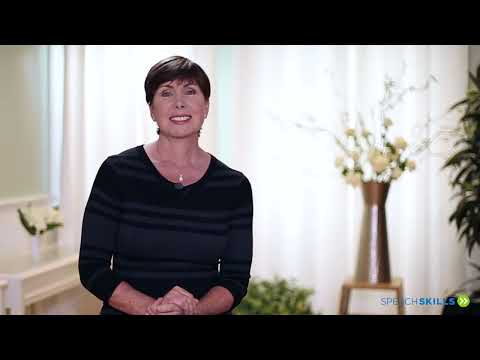 54s
54sImproving Speaking Skills
Long-Term Improvement
To improve public speaking and overcome fear, focus on thorough preparation, practice, and managing anxiety through breathing techniques. Structure your speech, practice in front of others or record yourself for feedback, and reframe nervous excitement as positive energy. Visit the venue beforehand, use pauses to stay…
To improve public speaking and overcome fear, focus on thorough preparation, practice, and managing anxiety through breathing techniques. Structure your speech, practice in front of others or record yourself for feedback, and reframe nervous excitement as positive energy. Visit the venue beforehand, use pauses to stay calm, and consider joining groups like Toastmasters International.
Overcoming the Fear
Improving Skills
Long-Term Strategy
Improving public speaking and overcoming fear isn’t about becoming fearless—it’s about learning how to manage and channel that fear. The good news: what you’re experiencing is extremely common (it’s even called **glossophobia** , and affects a large portion of people) [Overcoming Glossophobia: Causes, Treatment, and…
Improving public speaking and overcoming fear isn’t about becoming fearless—it’s about learning how to manage and channel that fear. The good news: what you’re experiencing is extremely common (it’s even called glossophobia , and affects a large portion of people) Overcoming Glossophobia: Causes, Treatment, and More.
Here’s a practical, no-nonsense way to get better:
That shaky voice, racing heart, or blank mind? That’s your body’s fight-or-flight response kicking in—not a sign you’re bad at speaking Overcoming Glossophobia: Causes, Treatment, and More.
Once you recognize it as a normal biological reaction, it becomes easier to manage instead of fight.
Confidence doesn’t come from talent—it comes from familiarity.
Know your key points (not a word-for-word script)
Practice out loud repeatedly
Rehearse your opening especially (that’s when nerves peak)
People who rehearse consistently feel more in control and less anxious Overcoming Glossophobia: Causes, Treatment, and More.
These work because they directly counteract adrenaline:
Slow breathing (e.g., inhale 4 sec, exhale longer)
Pause intentionally while speaking
Move your body lightly before presenting
Slowing your breathing helps regulate anxiety and heart rate How to overcome your fear of public speaking | British Council.
Don’t jump straight into big audiences.
Instead:
Talk in front of a friend → small group → larger group
Practice in low-pressure environments
This “gradual exposure” approach is one of the most effective ways to reduce fear over time What do I need to do.
Most fear comes from thoughts like:
“What if I mess up?”
Replace that with:
“What value am I giving the audience?”
When you focus outward instead of inward, anxiety drops significantly.
Even experienced speakers feel nervous. The difference is:
Beginners try to eliminate it
Skilled speakers use it as energy
A bit of adrenaline can actually make you more alert and engaging How to overcome your fear of public speaking | British Council.
Work on:
Speaking slower than you think you should
Making eye contact
Using pauses instead of filler words
Clear structure (intro → main points → conclusion)
These make you look confident—even before you feel it.
You will stumble at some point. Everyone does.
But here’s the reality:
Most audiences don’t notice small mistakes
They want you to succeed, not fail
Treat mistakes as normal, not catastrophic.
Practice speaking for 5–10 minutes daily (even alone)
Record yourself once a week
Speak in front of someone at least once a week
Before any talk: do 2 minutes of slow breathing
You don’t overcome public speaking fear by waiting for confidence—you build confidence by repeated exposure + preparation + managing your body’s response.
If you want, tell me your situation (school presentations, work meetings, large audiences, etc.), and I can give you a more personalized plan.
Improving public speaking and reducing fear is very doable, but it works best when you treat it like a **skill you train gradually** , not something you “conquer” all at once. Here’s a practical, evidence-based way to approach it: * * *
Improving public speaking and reducing fear is very doable, but it works best when you treat it like a skill you train gradually , not something you “conquer” all at once.
Here’s a practical, evidence-based way to approach it:
Most public speaking fear (often called glossophobia) comes from your brain treating speaking in front of people like a threat situation. That triggers physical stress responses—fast heartbeat, shaky voice, blank mind—not lack of ability. It’s normal, and it decreases with repeated exposure and preparation.
Preparation is one of the fastest ways to reduce anxiety.
Know your topic deeply (not memorized word-for-word, but structured)
Break your talk into 3–5 main points
Prepare a simple opening and closing line
Anticipate 2–3 questions people might ask
When you’re organized, your brain has less “unknown danger” to react to.
This is where most improvement actually happens.
Try:
Speaking in front of a mirror
Recording yourself and watching it back
Practicing with a friend
Rehearsing while standing (important—it simulates real conditions)
Repeated exposure trains your nervous system to stop treating speaking as a threat.
Don’t jump straight into big audiences.
A good progression:
Speak alone
Practice with one trusted person
Small group (2–5 people)
Larger group
Formal presentation
Confidence builds through gradual exposure, not one big “breakthrough moment.”
When nerves hit, your body is the first thing to calm—not your thoughts.
Try:
Slow breathing before speaking (long exhale helps most)
Pausing intentionally (silence feels longer to you than to others)
Slowing your speech by ~10–20%
Grounding your feet firmly
Most anxiety spikes at the beginning and naturally drops after a minute or two.
A big driver of fear is self-monitoring (“How am I doing?” “Do I look nervous?”).
Instead, focus on:
What the audience needs to understand
The next idea you’re explaining
The value you’re giving them
This reduces the “self-pressure loop” that fuels anxiety.
Trying to eliminate nerves often backfires. Even experienced speakers feel them.
A more useful mindset:
That simple reframe reduces panic and helps you stay functional.
This is the most important long-term factor.
Groups like Toastmasters or regular speaking opportunities help because they combine:
repetition
feedback
safe exposure
Over time, your brain stops labeling speaking as high-stress.
Day 1–2: Write and structure a 2–3 minute talk
Day 3–4: Practice it out loud 5–10 times
Day 5: Record yourself once
Day 6: Deliver it to one person
Day 7: Deliver it again with improvements
If you want, tell me what kind of speaking you’re doing (school presentations, work meetings, interviews, etc.), and I can tailor a step-by-step plan specifically for that situation.
Improving public speaking and overcoming fear is very doable, but it works best when you treat it like a **skill you train** , not a personality trait you “fix.” Research and coaching advice consistently show that preparation, exposure, and mindset shifts are the biggest factors. [Source…
Improving public speaking and overcoming fear is very doable, but it works best when you treat it like a skill you train , not a personality trait you “fix.” Research and coaching advice consistently show that preparation, exposure, and mindset shifts are the biggest factors.
Here’s a practical way to approach it:
What you’re feeling—racing heart, shaky voice, blank mind—is your body’s fight-or-flight response misfiring in a safe situation. Your brain is treating speaking like a threat, even though it isn’t.
That’s important because it means:
You’re not “bad at speaking”
You’re just experiencing a normal stress reaction
Before speaking:
Take slow breaths (inhale 4 seconds, exhale 6–8 seconds)
Relax shoulders and jaw
Slow your speaking speed intentionally
Deep breathing alone can significantly reduce physical anxiety symptoms.
A simple trick:
Exhale longer than you inhale → tells your body “we’re safe.”
Fear shrinks through repetition, not thinking.
Try a progression like:
Speak out loud alone
Record yourself
Explain something to a friend
Speak in small groups
Then larger audiences
Even everyday conversations can be “mini public speaking reps.”
A big anxiety trigger is “What if I forget my lines?”
Instead:
Use a simple structure like: Point → Example → Point
Or: Problem → Solution → Benefit
Knowing your structure = fewer mental blanks.
Experts also suggest keeping your message simple and focused to reduce cognitive overload during speaking.
Anxiety grows when you focus on yourself (“How am I doing?”).
Shift focus to:
“What does my audience need to understand?”
“How can I make this useful for them?”
This reduces self-consciousness and improves delivery.
A key mistake is trying to “eliminate” fear completely.
Better approach:
Expect nerves
Let them exist
Use them as energy
Even experienced speakers still feel adrenaline—they just don’t interpret it as danger.
Don’t only practice in your head.
Do:
Stand up while speaking
Use a timer
Practice in slightly uncomfortable settings
Record and review yourself
Realism builds confidence faster than perfect rehearsals.
If anxiety feels overwhelming or blocks opportunities, approaches like:
Cognitive Behavioral Therapy (CBT)
Structured speaking groups (like Toastmasters)
are highly effective for long-term change.
Before any speaking situation:
3 slow breaths (long exhale)
Relax shoulders + unclench jaw
Remind yourself: “I’m here to communicate, not perform”
Start slower than feels natural
Pause more than you think you should
If you want, tell me your situation (school presentation, work meeting, social anxiety, etc.), and I can give you a tailored step-by-step plan for that exact scenario.
Improving public speaking involves thorough preparation (outlining, practicing, visiting the venue) and building confidence through techniques like deep breathing, power posing, and adopting a service-oriented mindset. Overcome fear by reframing nerves as excitement, recording yourself, using positive self-talk, and…
Improving public speaking involves thorough preparation (outlining, practicing, visiting the venue) and building confidence through techniques like deep breathing, power posing, and adopting a service-oriented mindset. Overcome fear by reframing nerves as excitement, recording yourself, using positive self-talk, and joining supportive groups like Toastmasters.
This video offers tips on overcoming your public speaking fears:
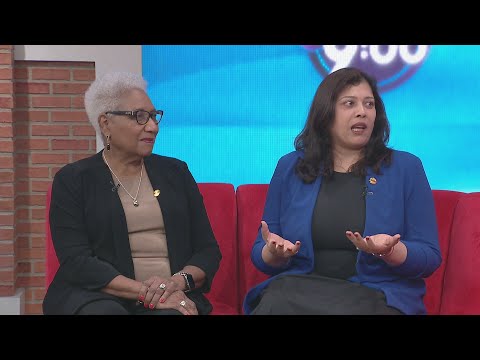 54s
54sKey Strategies for Improvement:
Techniques to Overcome Fear:
Long-term Development: