Data as of Aug 25, 2026 · Based on 280 AI responses from ChatGPT, Google AI Overviews, ChatGPT Search and Google AI Mode · See how Parse measures this
 Serious Eats
Your brand can be here too.
Source | Citation share |
|---|---|
 French Press Coffee: The Complete Brewing Guide (Ratio, Grind, Time) - Coffee Guide | Mug Culthttps://mugcult.com/guides/french-press-brewing-guide | 12.1% |
 How to Make a Perfect Cup of Coffee Using a French Presshttps://www.youtube.com/shorts/y9CI5Tddb_I | 4.0% |
 How to Brew Coffee with a French Press: Complete Guide : Koffee Kulthttps://support.koffeekult.com/support/solutions/articles/36000077422-how-to-brew-coffee-with-a-french-press-complete-guide | 3.5% |
 James Hoffman French Press Method | French Press Without Sediment - Seven Coffee Roastershttps://sevencoffeeroasters.com/blogs/coffee-101/james-hoffmann-french-press | 3.2% |
Coffee Science: How to Make the Best French Press Coffee at Homehttps://www.seriouseats.com/how-to-make-better-french-press-coffee-tips-technique-grind-timing | 3.0% |
The Ultimate French Press Technique - YouTubehttps://www.youtube.com/watch | 3.0% |
 French Press Method: Ratios, Grind & Timinghttps://www.clinicadvisor.com/coffee/french-press-method | 2.5% |
 6 Tips to Make the Best Coffee From Your French Presshttps://driftaway.coffee/frenchpress/ | 2.2% |
 Mastering the French Press: 5 Tips from a Coffee Specialisthttps://theneedforcoffee.com/coffee-blog/mastering-the-french-press-5-tips-from-a-coffee-specialist | 2.1% |
 How to Brew with French Press - Stumptown Coffee Roastershttps://www.stumptowncoffee.com/pages/brew-guide-french-press | 2.0% |
Absolutely! Making great coffee with a French press is both an art and a science, and with a few careful techniques, you can elevate your cup from “just drinkable” to “wow, café-quality.” Let’s break it down step by step: --- ### **1. Choose the Right Coffee**
Absolutely! Making great coffee with a French press is both an art and a science, and with a few careful techniques, you can elevate your cup from “just drinkable” to “wow, café-quality.” Let’s break it down step by step:
If you want, I can give you a step-by-step ritual that professional baristas use for French press, including exact pouring technique and timing that really maximizes flavor. It’s almost like a little coffee ceremony.
Do you want me to do that?
No sources cited
To make truly great French press coffee, you must master the **"James Hoffmann" multi-step steeping method** , which eliminates the common problems of over-extracted bitterness and muddy silt. While traditional guides tell you to brew for only four minutes and plunge immediately, the best modern technique uses an…
To make truly great French press coffee, you must master the "James Hoffmann" multi-step steeping method , which eliminates the common problems of over-extracted bitterness and muddy silt. While traditional guides tell you to brew for only four minutes and plunge immediately, the best modern technique uses an extended 8-to-10-minute timeline to let gravity settle the sediment for a incredibly clean, full-bodied cup.
Essential Brewing Metrics
The Step-by-Step Pro Technique
Watch this detailed walkthrough of the ultimate sediment-free French press brewing technique:
3m
Advanced Community Perspectives
While the extended steeping method yields the cleanest cup, coffee lovers customize their routines depending on their texture preferences.
“I use a basic filter brewer paper under my plunger and a finer grind, and press it down slowly to not tear the paper. I drink several cups every day and enjoy the clarity of paper filtration and the consistent results of the press.”
“Method. ... I do something similar, but I don't like to wait as long and don't mind some silt and sludge. Here's my process: Hottest possible water. I do like to let it settle though. 1:15 ratio. pour all the water at once...”
How do you plan to measure your coffee, and are you interested in how to scale these weight ratios using standard kitchen tablespoons instead?

To make great French press coffee, you must control your water temperature, grind size, and steeping…
To make great French press coffee, you must control your water temperature, grind size, and steeping time.
The Golden Ratio
Essential Gear
Step-by-Step Technique
Pro-Tips for Better Flavor
To help dial in your perfect brew, let me know:
I can adjust the technique or suggest specific beans based on your setup.
Making great French press coffee is mostly about controlling four variables well: **grind size, water temperature, coffee-to-water ratio, and steep time**. Once those are dialed in, small technique tweaks can noticeably improve flavor and texture. Here’s a reliable method that consistently produces rich, balanced…
Making great French press coffee is mostly about controlling four variables well: grind size, water temperature, coffee-to-water ratio, and steep time. Once those are dialed in, small technique tweaks can noticeably improve flavor and texture.
Here’s a reliable method that consistently produces rich, balanced coffee.
Freshly roasted whole beans matter more than almost anything else. Grind immediately before brewing if possible.
Medium and medium-dark roasts tend to work especially well in French press because the method emphasizes body and oils.
Rinse the empty French press with hot water first. This keeps brew temperature stable and improves extraction.
The classic advice is coarse grind, but many experienced brewers actually prefer slightly finer than traditional coarse for better sweetness and extraction. The key is consistency.
A burr grinder helps enormously.
Add just enough water to saturate the grounds (about 2× the coffee weight), then wait 30–45 seconds.
This releases trapped CO₂ and can improve extraction consistency, especially with fresh coffee.
Some coffee enthusiasts skip blooming for immersion brews like French press, arguing it’s less necessary than in pour-over methods. Both approaches can work well.
Pour gently and evenly. Then give the slurry:
You want all grounds wet, but not aggressively agitated. Too much stirring increases bitterness and sediment.
Place the lid on with the plunger pulled up.
4 minutes is the standard starting point:
Press down gently over 15–30 seconds.
Fast plunging stirs up fines and creates a muddy, bitter cup.
This is one of the biggest improvements beginners miss.
Don’t leave coffee sitting in the press after brewing. The grounds continue extracting and quickly make the coffee bitter. Pour everything into mugs or a separate carafe immediately.
A popular advanced technique:
This produces a cleaner, less gritty cup with surprisingly high sweetness.
If your coffee tastes:
Changing ratio is usually easier and more predictable than changing brew time.
Filtered water makes a noticeable difference. Bad-tasting tap water produces bad coffee no matter how good the beans are.
Creates sludge and bitterness.
Let the kettle sit ~30 seconds after boiling.
Adds sediment and harshness.
Causes over-extraction quickly.
French press exposes flavor defects more than paper-filter methods.
For one large mug:
That’s an excellent baseline to tweak from.
If you want, I can also help you with:
A French press is one of the most rewarding (and forgiving) ways to make coffee, but small technique details make a _huge_ difference in taste. Here’s a clear, practical guide to consistently getting a rich, smooth cup. * * * ## 1\. Start with the right coffee (this matters most)
A French press is one of the most rewarding (and forgiving) ways to make coffee, but small technique details make a huge difference in taste. Here’s a clear, practical guide to consistently getting a rich, smooth cup.
Fresh beans (ideally roasted within a few weeks)
Coarse grind (like sea salt)
Too fine = muddy, bitter, hard to press
Too coarse = weak, watery extraction
If you only change one thing in your process, make it this.
A good starting point:
1:15 to 1:16 ratio (coffee : water)
Example: 30g coffee → ~450–480g water
Stronger cup? Go a bit higher coffee (like 1:12–1:14)
Consistency here is key—use a scale if possible.
Ideal: 195–205°F (90–96°C)
If you boil water, wait ~30–45 seconds before pouring
Too hot = bitter, burnt flavors
Too cool = weak, under-extracted coffee
Pour just enough water to wet all grounds
Wait 30–45 seconds
Stir gently
This releases trapped gas and helps even extraction.
Standard: 4 minutes
Lighter/cleaner cup: 3 minutes
Stronger, heavier body: up to 5–6 minutes
Don’t leave it sitting too long after steeping—it keeps extracting and turns bitter.
Press down steady, not fast
Stop as soon as you feel resistance change
Pressing too hard stirs up sediment and makes the cup gritty.
This is a big one:
Pour coffee into another carafe or mug right away
Leaving it in the press = continued extraction = bitterness
Preheat the press with hot water (keeps temperature stable)
Stir after bloom , not aggressively throughout
Try the “no-silt” method : let coffee sit 1–2 extra minutes before plunging lightly, or skim foam before pressing
Experiment with roast:
Medium roast = balanced
Dark roast = heavier, chocolatey
Light roast = brighter, more acidic
30g coffee (coarse grind)
450g water at ~200°F
Bloom 30 sec
Steep 4 min
Press slowly
Pour immediately
If you want, I can help you dial it in for your exact press size or the type of coffee you like (strong, smooth, low acidity, etc.).
To make great French press coffee, use a 1:15 ratio of coarse-ground coffee to 195∘ F
To make great French press coffee, use a 1:15 ratio of coarse-ground coffee to
195∘
F
–
205∘
F
(
90∘
C
–
96∘
C
) water, allowing it to steep for 4–8 minutes before gently plunging. Key techniques include using freshly roasted beans, a 30-second "bloom" (stirring), removing the top foam/crust to reduce silt, and brewing for longer (6-8 minutes) to enhance flavor.
Top Techniques for French Press Coffee:
195∘
F
–
205∘
F
), as boiling water can scorched the coffee.
Basic Step-by-Step Method:
Pro-Tip: Clean your French press thoroughly after every use, including removing the mesh filter to remove trapped oils and coffee particles.
To make great French press coffee, use a 1:15 coffee-to-water ratio with a coarse grind, steep for 4–5 minutes, and gently plunge. Key techniques include using fresh, coarsely ground beans (like sea salt), heating water to just below boiling, stirring after 1 minute, and serving immediately to avoid bitterness.…
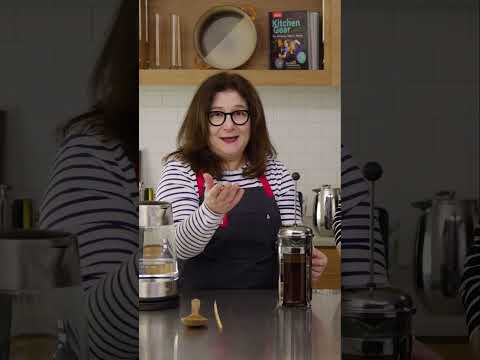
To make great French press coffee, use a 1:15 coffee-to-water ratio with a coarse grind, steep for 4–5 minutes, and gently plunge. Key techniques include using fresh, coarsely ground beans (like sea salt), heating water to just below boiling, stirring after 1 minute, and serving immediately to avoid bitterness.
This video shows you how to make a perfect cup of coffee using a French press:
 02:42
02:42Essential Techniques for Best Results
Improved Methods
Using fresh beans and a quality grinder to prevent excess dust (fines) is critical to avoiding muddy coffee.
Making excellent French press coffee is less about fancy gear and more about dialing in a few key variables: **grind size, water temperature, ratio, and timing**. Once you control those, your results improve dramatically. Here’s a clear, practical guide with both fundamentals and “pro-level” tweaks. * * *
Making excellent French press coffee is less about fancy gear and more about dialing in a few key variables: grind size, water temperature, ratio, and timing. Once you control those, your results improve dramatically.
Here’s a clear, practical guide with both fundamentals and “pro-level” tweaks.
This is the baseline most coffee pros agree on:
Go coarse , like sea salt
Too fine → bitter and sludgy
Too coarse → weak and watery
Start with 1:15 coffee-to-water
Example: 20g coffee → 300ml water
Adjust to taste (stronger = more coffee)
Ideal range: 195–205°F (90–96°C)
Let boiling water sit ~30 seconds before pouring
Pour a little water first, just enough to soak grounds
Wait 30–45 seconds
This releases trapped gases and improves flavor
Add remaining water
Let it sit 4 minutes (standard sweet spot)
Take 15–20 seconds to push the plunger down
Too fast = agitation → bitterness
Don’t leave coffee in the press
It keeps extracting and turns bitter
These matter more than anything else:
Use whole beans , grind right before brewing
Pre-ground coffee loses flavor quickly
Measure your coffee and water
Even small changes affect taste
Use filtered water if possible
Coffee is ~98% water
After 4 minutes:
Break the crust on top
Skim foam/floaters
Wait another 3–5 minutes before pressing
Result: smoother, less gritty coffee
3 min → brighter, lighter
4 min → balanced
5+ min → heavier, more intense (risk of bitterness)
Stirring early helps even extraction
But too much agitation = bitterness
Try both and compare
These ruin more cups than anything else:
Grinding too fine
Using boiling-hot water
Guessing measurements
Pressing too fast
Letting coffee sit in the press
All of these lead to over-extraction (bitter, harsh flavors).
Think of French press as:
“Soak evenly, don’t disturb too much, and stop extraction at the right time.”
If you just want one go-to method:
25g coffee
375ml water
Coarse grind
30 sec bloom
4 min steep
Slow press
Pour immediately
If you want, I can help you tweak this based on your taste (stronger, smoother, less bitter, etc.) or recommend beans that work especially well in a French press.
Making great coffee with a French press relies on controlling grind size, water temperature, and timing. The most recommended, high-quality technique involves a **longer brew time (8-10 minutes total)** or the popular "Hoffmann method" to produce a cleaner, less bitter cup, rather than the traditional 4-minute steep.…
Making great coffee with a French press relies on controlling grind size, water temperature, and timing. The most recommended, high-quality technique involves a longer brew time (8-10 minutes total) or the popular "Hoffmann method" to produce a cleaner, less bitter cup, rather than the traditional 4-minute steep.
The Recommended "Clean & Rich" Method
This method is designed to maximize flavor while reducing the bitter sludge typically associated with French press coffee.
Steps:
90∘
C
–
96∘
C
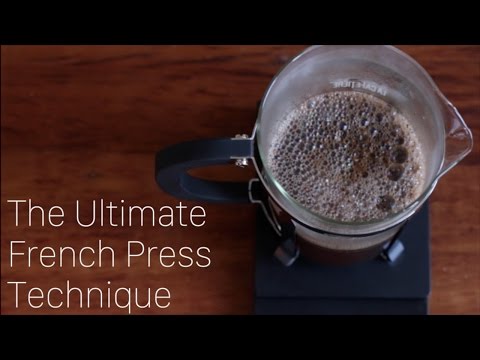
or just off-boil). 3. Stir and Steep: Stir the grounds, place the plunger on top to trap heat, and let it steep for 4 minutes. 4. Break the Crust: After 4 minutes, remove the lid and use a spoon to gently stir the top crust of grounds, causing them to sink. 5. Remove Foam: Use two spoons to skim off the foam and any floating grounds from the top. 6. Long Steep: Put the lid back on and wait another 5–7 minutes. This allows fine particles to settle to the bottom. 7. Slow Plunge: Gently press the plunger down only until it meets the surface of the liquid (not all the way down, to avoid disturbing the sediment). 8. Pour: Pour slowly to avoid stirring up the sediment.
This video demonstrates the technique for a delicious, silt-free French press:
 03:34
03:34Key Techniques for Better Coffee
Alternative: The 4-Minute Method
If you prefer a faster, heavier-bodied cup:
Troubleshooting
French press coffee is simple, but getting it _great_ is all about controlling a few key variables: grind size, water temperature, timing, and how you handle the brew after steeping. The method is forgiving, but small tweaks make a big difference in clarity and flavor. Here’s a clear, practical way to level up your…
French press coffee is simple, but getting it great is all about controlling a few key variables: grind size, water temperature, timing, and how you handle the brew after steeping. The method is forgiving, but small tweaks make a big difference in clarity and flavor.
Here’s a clear, practical way to level up your French press game:
Use freshly roasted whole beans and grind them right before brewing if possible. Pre-ground coffee goes stale quickly and loses aroma.
Roast: medium or medium-dark is easiest to balance
Freshness: ideally within 2–4 weeks of roast date
This is the most common mistake.
Target texture: like coarse sea salt
Why: fine grounds over-extract and create bitterness + sludge
Too fine = muddy, bitter cup
Too coarse = weak, under-extracted cup
A consistent burr grinder helps a lot here.
Water that’s too hot makes coffee harsh and bitter.
Ideal range: ~195–205°F (90–96°C)
Easy trick: boil water, then wait ~30–45 seconds before pouring
This range extracts flavor without burning the grounds.
A strong starting point:
1:15 ratio (1g coffee to 15g water)
Example: 30g coffee → 450g water
Adjust to taste:
1:14 = stronger
1:16–17 = lighter and cleaner
Timing controls extraction.
4 minutes = balanced “classic” French press
3 minutes = lighter, brighter
5–7 minutes = stronger, heavier body (risk of bitterness if overdone)
A common pro method is ~4 minutes total steep.
Right after pouring water:
Pour just enough water to wet all grounds
Wait ~30 seconds (coffee “blooms” and releases gas)
Stir gently to fully saturate grounds
This helps even extraction and better flavor clarity.
Once it’s steeping:
Avoid stirring repeatedly
Don’t shake the press
Too much movement pulls out bitterness and fine sediment.
This is where many people ruin a good brew.
Press down slowly (about 20–30 seconds)
Don’t force it
If it’s hard to press → grind is too fine
Once you press:
Leaving it in the press keeps extracting and makes it bitter.
Preheat the French press with hot water
Use filtered water (huge impact on taste)
Experiment with slight ratio adjustments before changing everything else
30g coffee (coarse grind)
450g water (~200°F)
30 sec bloom + gentle stir
Steep 4 minutes
Slow plunge + immediate pour
If you want, I can also:
Help you dial in your exact setup (press size, grinder, coffee type)
Or give you a “barista-level” upgraded method with even cleaner cups (less sediment, more clarity)