Data as of Aug 25, 2026 · Based on 330 AI responses from ChatGPT Search and Google AI Mode · See how Parse measures this
For most home cooks, 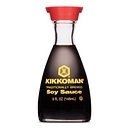


Brands AI recommends here
The standard all-purpose choice for everyday cooking. It is highly valued for its consistent, balanced flavor profile, wide accessibility, and reliability across various recipes and techniques.
Often preferred by chefs as a more refined alternative to Kikkoman. It offers a sharper, cleaner taste that is especially well-suited for sushi, dipping sauces, and Japanese dishes that require balance.
A top recommendation for Chinese cooking, stir-fries, and seasoning. It is frequently favored for its deep flavor and versatility when preparing traditional Chinese dishes at home.
KikkomanSource | Citation share |
|---|---|
 What is your Go-To Soy Sauce : r/Cooking - Reddithttps://www.reddit.com/r/Cooking/comments/tz3atv/what_is_your_goto_soy_sauce/ | 5.0% |
 The Best Soy Sauce Brands You Can Buy, According to Expertshttps://www.tasteofhome.com/article/best-soy-sauce/ | 3.8% |
 The Best Soy Sauce Brands You Can Buy, According to Expertshttps://flavor365.com/the-best-soy-sauce-brands-for-unforgettable-flavor-2025/ | 3.6% |
A Guide to Choosing the Best Soy Sauce – Sous Chef UKhttps://www.souschef.co.uk/blogs/the-bureau-of-taste/a-guide-to-choosing-the-best-soy-sauce | 3.0% |
Top 7 Soy Sauce Brands in the USA (You’ll Never Buy the Wrong One Agai – Foodtriptohttps://foodtripto.com/blogs/news/top-7-soy-sauce-brands-in-the-usa-you-ll-never-buy-the-wrong-one-again | 2.4% |
 I Asked 3 Japanese Chefs To Name the Best Soy Sauce—They All Said ...https://www.simplyrecipes.com/best-soy-sauce-experts-11704252 | 2.4% |
 The Absolute Best Soy Sauce Brand Is More Than A Century Oldhttps://www.tastingtable.com/1803235/absolute-best-soy-sauce-brand-kikkoman/ | 2.4% |
Best Soy Sauce: Tasted and Reviewed - Daring Kitchenhttps://thedaringkitchen.com/best-soy-sauce/ | 2.2% |
4 Best Soy Sauces for 2024: Navigating the Soy Sauce Aisle – Bokksu Markethttps://bokksumarket.com/blogs/magazine/4-best-soy-sauces | 2.2% |
 The Best Soy Sauces in 2022 | Saveurhttps://www.saveur.com/shop/best-soy-sauces/ | 2.2% |
The best soy sauce depends entirely on how you intend to use it, as Japanese and Chinese cooking traditions require different flavor profiles. For an everyday pantry staple, Kikkoman and Yamasa are the top choices for Japanese cuisine, while Lee Kum Kee Go to product viewer dialog for this item. excels in Chinese cooking. For those seeking an elevated culinary experience, artisanal options like Kishibori Shoyu offer unmatched depth.
Best All-Purpose Japanese Soy Sauce (Koikuchi)
Japanese soy sauces (shoyu) typically contain equal parts soybeans and wheat, creating a balanced, aromatic, and slightly sweet flavor.
Add to list This is the global gold standard for a reason. Brewed with just four simple ingredients (soybeans, wheat, salt, water), it delivers a reliable, tightly balanced punch of salt and umami that anchors everything from marinades to sushi dipping.
Add to list Preferred by many high-end sushi restaurants, Yamasa is considered a step up in complexity from Kikkoman. It is brewed in cedarwood vats, yielding a deeper ruby-red color, a crisp aroma, and a more complex flavor profile that shines when soy sauce is the central focus of a dish.
Best Chinese Soy Sauce
Chinese soy sauces feature higher percentages of soybean to wheat, leaning sharper, saltier, and more intensely savory. They are generally split into light (for seasoning) and dark (for color) varieties.
Add to list An excellent, highly versatile choice for everyday stir-fries, noodle dishes, and marinades. It provides an immediate, punchy saltiness and robust savory depth that stands up well to high-heat cooking.
Best Artisanal / Finishing Soy Sauce
If you want a luxury soy sauce specifically for raw applications—like drizzling over fresh tofu, sashimi, or rice—look to aged small-batch varieties.
Add to list Brewed by the Takesan Company on Shodoshima island, this premium shoyu is slow-fermented for a full year in 100-year-old cedar barrels. Free of all artificial preservatives, it boasts an incredibly smooth, thick consistency packed with a nutty, complex, and unadulterated umami flavor.
What kind of dishes do you cook most often, and are you looking for a budget-friendly staple or a premium finishing sauce?
If you want one bottle that tastes genuinely excellent, my pick is Kishibori Shoyu. It’s an artisanal Japanese shoyu with a deeper, more complex flavor than typical supermarket soy sauce, and it’s especially good for sushi, sashimi, tofu, and dipping.
🏆 Best overall / premium: Kishibori Shoyu — rich, aromatic, nuanced; best when the soy sauce itself is noticeable.
🍳 Best everyday: Kikkoman Traditionally Brewed — balanced, versatile, inexpensive, and excellent for cooking.
🍣 Best for sushi: Yamasa Shoyu — clean, rounded flavor and a favorite of professional chefs.
🌾 Best gluten-free: San-J Tamari — richer and deeper than ordinary soy sauce; naturally suited to dipping and finishing.
💰 Best value: Kikkoman — you really don't need to spend $20+ for a great everyday soy sauce.
Kishibori Shoyu - $14.70 (MTC Kitchen)
Kikkoman Traditionally Brewed Soy Sauce - $7.38 (Sam's Club)
Yamasa Shoyu - $3.42 (Walmart)
San-J Organic Tamari - $4.48 (Walmart)
If you're standing in a grocery store right now: grab Kikkoman. If you're willing to order something special, get Kishibori.
One tip: look for “naturally brewed” on the label. Whole-soybean versions (marudaizu) are also worth seeking out for a rounder, more nuanced flavor.
The best soy sauce depends entirely on how you plan to use it, though top culinary experts universally recommend opting for traditionally fermented options over cheap, chemically hydrolyzed varieties.
Here are the best soy sauces available, categorized by what they do best:
Best Overall Artisanal
Exceptionally rich, complex, and mellow umami profile achieved through a 4-year double-brewing process in 100-year-old wooden barrels.
It features a smoother salt profile than ordinary grocery store varieties, making it the perfect luxury finishing sauce for sushi, sashimi, or tofu.
Highly praised by culinary publications like Epicurious for its beautifully balanced, unadulterated taste derived from whole soybeans, wheat, and sea salt.
Fermented for a year in old cider barrels on Shodoshima Island, it offers a vibrant amber color and intense aroma that shines when used raw or in light dressings.
Best for Everyday All-Purpose Cooking
The definitive gold standard for an affordable, naturally brewed Japanese-style (shoyu ) soy sauce.
Made with just four simple ingredients and aged for months, it provides a consistent, sharp, and salty umami punch ideal for marinades, stir-fries, and tabletop seasoning.
The ideal choice for Chinese-style cooking where a brighter, slightly sweeter, and more savory profile is needed.
This naturally brewed light soy sauce provides an immediate depth of flavor that pairs perfectly with stir-fried noodles, rice, and dipping sauces.
Best Specialty & Diet-Friendly Options
A premium, imported gluten-free option made primarily from whole organic soybeans and aged for two years.
It delivers a much bolder, richer, miso-like flavor than standard soy sauce, holding up exceptionally well in long-cooked or braised dishes.
A restaurant-grade, organic product steeped with kombu seaweed to maximize its natural depth.
Developed through extensive flavor research, it offers a unique, savory punch that acts as an instant flavor elevator for home cooks.
The top choice for health-conscious cooking, retaining all the rich aroma and umami of the original brew while containing up to 43% less sodium.
If you would like to narrow this down, let me know what specific dishes you plan to cook or if you prefer a certain style like Japanese Shoyu, Chinese Dark Soy, or Gluten-Free Tamari.
If you want one bottle that tastes genuinely excellent, my pick is Kishibori Shoyu. It’s a premium Japanese shoyu with a deeper, smoother, more complex flavor than standard supermarket soy sauces. Epicurious has singled it out as an exceptional soy sauce, and it’s particularly good for dipping sushi, sashimi, tofu, or finishing dishes.
🏆 Best overall / finishing: Kishibori Shoyu — rich, nuanced, slightly naturally sweet.
🍳 Best everyday cooking: Kikkoman Traditionally Brewed — inexpensive, consistent, and extremely versatile.
🍣 Best for sushi/dipping: Yamasa Shoyu — balanced and slightly deeper tasting; it's also a chef-favored everyday shoyu.
🌾 Best gluten-free: San-J Tamari — richer and more concentrated, with no wheat.
💰 Best value: Kikkoman — hard to beat for the price.
Kishibori Shoyu - $16.95 (Japanese Taste)
Kikkoman Naturally Brewed Soy Sauce - $3.77 (Walmart)
Yamasa Shoyu - $3.42 (Walmart)
One important tip: look for naturally brewed/fermented soy sauce with a short ingredient list (soybeans, wheat, salt, water). Whole-soybean versions such as marudaizu tend to have a rounder, more nuanced flavor.
If you're asking because you're standing in a grocery store choosing between specific bottles, tell me the brands you see (or send a photo), and I'll tell you which one I'd buy.
If you want one soy sauce that does almost everything well, my pick is Kikkoman Traditionally Brewed Soy Sauce. It’s naturally brewed, balanced, deeply savory, and works for stir-fries, marinades, dipping, fried rice, and everyday cooking.
$3.77
$19.68
$4.38
$26.99
One important tip: Look for “naturally brewed” or “traditionally brewed” on the label. Traditional fermentation generally gives you substantially more aroma and complexity than chemically hydrolyzed soy sauces.
If you tell me whether you want it mainly for sushi, cooking, dipping, or Chinese food, I can give you the best specific bottle rather than just the best overall.
The absolute best soy sauce depends entirely on how you plan to use it, as different culinary traditions and cooking methods require distinct profiles. For an all-purpose kitchen workhorse, professional chefs and taste tests widely rank Kikkoman Naturally Brewed Soy Sauce Go to product viewer dialog for this item. as the top standard, while small-batch artisanal bottles like Yamaroku Tsurubishio 4 Year Aged Japanese Soy Sauce Go to product viewer dialog for this item. are considered the pinnacle for dipping and finishing.
Best All-Purpose & Grocery Staples
These options are traditionally fermented, highly versatile, and perfect for everyday marinades, stir-fries, and general seasoning.
Add to list Universally acclaimed by Japanese chefs for its perfect, uncompromised balance of salt, earthiness, and umami.
Add to list Highly recommended by test kitchens because it removes the salt after the full fermentation process, preserving the complex flavors without the bracing sharpness.
Add to list A Cantonese-style powerhouse that features subtle hints of citrus and coffee-like acidity, making it an excellent base for stir-fries and meat marinades.
Best Premium & Artisanal (For Dipping & Finishing)
If you are dipping sushi, dumpling skins, or drizzling over fresh tofu, these long-aged, barrel-fermented shoyus offer unmatched complexity.
Add to list Double-brewed and aged for four years in 100-year-old wooden barrels. It delivers an incredibly rich, mellow, and almost sweet caramel-like depth.
Add to list Fermented in antique cider casks, this unpasteurized sauce boasts a multi-layered flavor profile with subtle fruity and woody notes that elevate simple dishes.
Best Specialty Styles (Gluten-Free & Dark)
Specific dishes demand distinct structural styles of soy sauce to build proper color or accommodate dietary restrictions.
Add to list The premier gluten-free option. Because it is made almost entirely from soybeans without wheat, it features a much richer, smoother, and less sharp bite than standard soy sauce.
Add to list Thicker, less salty, and aged with a touch of molasses. It is designed primarily to add a rich, glossy mahogany color and sweet depth to stews, braises, and fried rice.
What Real Foodies Say
Reviewers and home cooks frequently discuss the stark contrast between cheap, chemical-based options and authentic, slow-brewed variations.[1] “Ito Shoten Denemon Tamari Soy Sauce Go to product viewer dialog for this item. ... Produced from only Japanese-grown soybeans and natural sea salt, this soy sauce is slowly aged for three years in cedar casks... It has a thick, caramellike, smoky, meaty, deep umami flavor that is well-balanced and...”
“Typically, light soy is used to flavour the dish and dark soy is more for aesthetics, as it stains the food with a darker and more appealing colour. Dark soy sauce also tends to be a little sweeter/thicker than light soy.”
Quick Selection Guide
| Type | Best For | Flavor Profile | Ingredient Check |
|---|---|---|---|
| Light / All-Purpose | Everyday cooking, stir-fries, marinades | Sharp, salty, punchy umami | Water, Soybeans, Wheat, Salt |
| Tamari | Gluten-free diets, dipping, rich glazes | Mellow, smooth, deeply savory | Soybeans, Salt (No wheat) |
| Dark Soy | Braises, roasts, color depth | Thick, mildly sweet, less salty | Often contains added molasses/sugar |
Tip: Always read the label. High-quality soy sauce should only contain soybeans, wheat, water, and salt . Avoid brands listing "hydrolyzed soy protein," corn syrup, or artificial flavorings, which signal a chemically accelerated shortcut rather than natural fermentation.
To help narrow this down, what specific dish or cuisine are you planning to make? Let me know if you need a gluten-free option or prefer a bottle you can easily grab at a standard supermarket.
The absolute best soy sauce depends entirely on how you intend to use it, as everyday cooking requires a different flavor profile than raw dipping.
The top options across different categories excel at distinct culinary tasks:
Best Artisanal & Raw Dipping
This legendary Japanese shoyu is double-brewed and aged for four years in 100-year-old wooden cedar barrels. Reviewers and chefs note it has an unparalleled, thick, and velvety texture with deep notes of umami that completely transform sushi, sashimi, and vanilla ice cream.
Fermented for a year in cider barrels on Shodoshima island , experts at Epicurious praise this unpasteurized koikuchi shoyu for its mild yet deeply complex flavor. It boasts a gorgeous amber hue that provides raw umami depth without overpowering dishes.
Best Everyday Grocery Japanese Shoyu
The global standard for a reason. This naturally brewed all-purpose dark soy sauce balances salt and subtle sweetness. It is highly reliable for marinades, teriyaki, and everyday Japanese home cooking.
Best for Chinese & Southeast Asian Cooking
If you are making stir-fries, fried rice, or braises, Chinese-style light soy sauces like this one are optimal. It is saltier and sharper than Japanese shoyu, delivering a punchy umami kick that holds up beautifully under high-heat cooking.
Soy Sauce Profiles At A Glance
| Soy Sauce Type | Main Flavor Profile | Best Used For |
|---|---|---|
| Aged Artisanal Shoyu | Mellow, complex, rich umami, low bite | Raw finishing, sushi, tofu, sashimi |
| Japanese Koikuchi (Dark) | Balanced salt, wheat sweetness, deep color | All-purpose cooking, teriyaki, glazes |
| Chinese Light Soy Sauce | Sharp, salt-forward, thin consistency | Stir-fries, fried rice, marinades |
| Chinese Dark Soy Sauce | Sweet, molasses-like, thick body | Adding rich, glossy color to stews and braises |
To help me narrow down the perfect match, let me know what specific dishes you plan to cook or if you have any dietary preferences like low-sodium or gluten-free.

If you mean best overall Japanese-style soy sauce, my pick is Kikkoman Marudaizu (whole soybean) shoyu. Whole-soybean versions tend to have a rounder, deeper flavor than standard soy sauce, and Kikkoman’s traditionally brewed shoyu is fermented for months.
$11.19
$16.95
$3.77
$9.39
$23.50
One tip: look for “naturally brewed” and, if you want a noticeably better sauce, “marudaizu” (whole soybean).
If you tell me whether you're using it for sushi, cooking, fried rice, dipping, or ramen, I can give you the single best bottle for that purpose.
The absolute best soy sauce depends entirely on how you intend to use it, as everyday cooking requires a different flavor profile than raw dipping.
The top options across different categories excel at distinct culinary tasks:
Best Artisanal & Raw Dipping
This legendary Japanese shoyu is double-brewed and aged for four years in 100-year-old wooden cedar barrels. Reviewers and chefs note it has an unparalleled, thick, and velvety texture with deep notes of umami that completely transform sushi, sashimi, and vanilla ice cream.
Fermented for a year in cider barrels on Shodoshima island , experts at Epicurious praise this unpasteurized koikuchi shoyu for its mild yet deeply complex flavor. It boasts a gorgeous amber hue that provides raw umami depth without overpowering dishes.
Best Everyday Grocery Japanese Shoyu
The global standard for a reason. This naturally brewed all-purpose dark soy sauce balances salt and subtle sweetness. It is highly reliable for marinades, teriyaki, and everyday Japanese home cooking.
Best for Chinese & Southeast Asian Cooking
If you are making stir-fries, fried rice, or braises, Chinese-style light soy sauces like this one are optimal. It is saltier and sharper than Japanese shoyu, delivering a punchy umami kick that holds up beautifully under high-heat cooking.
Soy Sauce Profiles At A Glance
| Soy Sauce Type | Main Flavor Profile | Best Used For |
|---|---|---|
| Aged Artisanal Shoyu | Mellow, complex, rich umami, low bite | Raw finishing, sushi, tofu, sashimi |
| Japanese Koikuchi (Dark) | Balanced salt, wheat sweetness, deep color | All-purpose cooking, teriyaki, glazes |
| Chinese Light Soy Sauce | Sharp, salt-forward, thin consistency | Stir-fries, fried rice, marinades |
| Chinese Dark Soy Sauce | Sweet, molasses-like, thick body | Adding rich, glossy color to stews and braises |
To help me narrow down the perfect match, let me know what specific dishes you plan to cook or if you have any dietary preferences like low-sodium or gluten-free.
If you mean best overall for flavor, my pick is Kishibori Shoyu. It’s an artisan Japanese shoyu from Shodoshima, naturally brewed and known for a deeper, more nuanced flavor than ordinary supermarket soy sauce. It’s especially good for sushi, sashimi, dipping, and finishing dishes.
$16.95
$18.22
If you're buying just one bottle: get Kikkoman for cooking and Kishibori if you want something noticeably more delicious for dipping/finishing.
One tip: look for naturally brewed soy sauce with a short ingredient list (typically soybeans, wheat, salt, and water). www.justonecookbook.com After opening, refrigerating helps preserve the flavor and color.