Data as of Aug 25, 2026 · Based on 282 AI responses from ChatGPT, Google AI Overviews, ChatGPT Search and Google AI Mode · See how Parse measures this
Brands AI recommends here
Named in 31% of answers
Named in 26% of answers
Named in 21% of answers
Named in 20% of answers
Source | Citation share |
|---|---|
 Mold in Water Bottle? Health Facts and How To Clean Ithttps://health.clevelandclinic.org/mold-in-water-bottle | 11.5% |
 Drink water, not mold. Five steps for a cleaner water bottle | UAB Newshttps://www.uab.edu/news/news-you-can-use/drink-water-not-mold-five-steps-for-a-cleaner-water-bottle | 6.4% |
 Why You Should Be Cleaning Your Reusable Water Bottle (and How to Do It Right) | LifeBridge Healthhttps://www.lifebridgehealth.org/blogs/why-you-should-be-cleaning-your-reusable-water-bottle-and-how-do-it-right | 5.1% |
 How often should you wash your water bottle? Tips on keeping your bottle bacteria-free | SSM Healthhttps://www.ssmhealth.com/newsroom/blogs/ssm-health-matters/february-2024/how-often-should-you-wash-your-water-bottle-tips-on-keeping-your-bottle-bacteria-free | 4.5% |
 How to Clean a Reusable Water Bottle, According to Expertshttps://www.prevention.com/health/a43645905/how-to-clean-water-bottle/ | 2.9% |
Healthy Living Resource Centerhttps://www.livestrong.com/article/13723660-how-to-clean-water-bottle/ | 2.8% |
 Hydration Hygiene: Are You Cleaning Your Water Bottle Enough to Prevent Germs, Mold and Buildup?https://baycare.org/newsroom/2024/april/hydration-hygiene-are-you-cleaning-your-water-bottle-enough-to-prevent-germs-mold-and-buildup | 2.8% |
 Wash well – and don’t forget the lid: how to clean your reusable water bottle | Well actually | The Guardianhttps://www.theguardian.com/wellness/2026/jan/05/clean-your-reusable-water-bottle | 2.6% |
 How to Clean a Water Bottle—and How Often You Shouldhttps://www.marthastewart.com/8379722/how-to-clean-reusable-water-bottle | 2.5% |
 Dirty water bottles collect germs and mold. Here are the best ways to clean them - YouTubehttps://www.youtube.com/watch | 2.4% |
Keeping a reusable water bottle clean is crucial to prevent mold, bacteria, and funky smells. Here’s a thorough approach: --- ### **Daily Cleaning (Quick Rinse)**
Keeping a reusable water bottle clean is crucial to prevent mold, bacteria, and funky smells. Here’s a thorough approach:
If you want, I can give you a super-fast 2-minute daily cleaning routine that keeps bottles essentially germ-free without the deep weekly cleaning. It’s surprisingly easy. Do you want me to?
No sources cited
The best way to keep your reusable water bottle free of mold and bacteria is to **wash it daily with hot, soapy water** and perform a **deep-cleaning sanitization once a week**.[](https://www.uab.edu/news/news-you-can-use/drink-water-not-mold-five-steps-for-a-cleaner-water-bottle)…
The best way to keep your reusable water bottle free of mold and bacteria is to wash it daily with hot, soapy water and perform a deep-cleaning sanitization once a week.
Because bacteria and mold thrive in dark, humid environments, a simple rinse with water is not enough to break down the slimy bacterial buildup known as biofilm.
🧼 Daily Cleaning Routine
A standard bottle brush is the most effective tool for lowering bacteria counts.
🧪 Weekly Deep Cleaning Methods
Choose one of these deep-cleaning methods once a week to sanitize the bottle and eliminate stubborn odors:
💡 Crucial Maintenance Tips
To help you choose the best deep-cleaning method, what material is your water bottle made of, and does it have a built-in straw?
The short answer: treat your reusable bottle like a dish you eat off—clean it regularly, clean it thoroughly, and let it dry completely. That’s what actually stops mold and bacteria from taking hold. Here’s the most effective routine (based on health guidance and cleaning best practices): * * *
The short answer: treat your reusable bottle like a dish you eat off—clean it regularly, clean it thoroughly, and let it dry completely. That’s what actually stops mold and bacteria from taking hold.
Here’s the most effective routine (based on health guidance and cleaning best practices):
Wash with hot water + dish soap
Scrub the inside and especially the mouthpiece/lid
Rinse thoroughly
👉 Just rinsing isn’t enough—bacteria from your mouth and hands builds up quickly.
Take it fully apart
Remove lid, straw, silicone seals, etc. Hidden أجزاء are where mold loves to grow.
Scrub everything היט
Use a bottle brush or small brush to reach tight spots.
Disinfect (optional but smart)
Soak in equal parts vinegar + water for a few minutes
Or run it through the dishwasher if safe
Rinse thoroughly
Air dry completely
Moisture is the main reason mold grows.
Leaving water sitting for days → empty daily
Keeping it damp → always dry fully
Ignoring lids/straws → biggest bacteria hotspots
Only rinsing → doesn’t remove biofilm (that slimy layer)
Use a bottle brush —sponges can’t reach अंदर corners
If it smells funky or feels slimy, it already has bacterial buildup
Clean more often if you use anything besides water (sports drinks, coffee, etc.)
Replace bottles that are cracked or heavily scratched (they trap bacteria)
Every day: quick wash
Once a week: deep clean + disinfect
Always: let it dry fully before closing
If you want, tell me what type of bottle you have (straw lid, stainless steel, etc.), and I can give you a more tailored cleaning routine.
To prevent mold and bacteria, wash your water bottle daily with hot, soapy water and a bottle brush, focusing on the cap, threads, and straw [BBC +2](data:image/gif;base64,R0lGODlhAQABAIAAAP///////yH5BAEKAAEALAAAAAABAAEAAAICTAEAOw==). Deep clean weekly by soaking components in white vinegar/water or using a Denture…
To prevent mold and bacteria, wash your water bottle daily with hot, soapy water and a bottle brush, focusing on the cap, threads, and straw BBC +2. Deep clean weekly by soaking components in white vinegar/water or using a Denture Tablet overnight TikTok +2. Crucially, air dry the bottle completely upside-down with the lid off before storing Ogden Clinic.
Daily Maintenance
Deep Cleaning & Disinfecting (Weekly)
Preventing Future Growth
To effectively prevent mold and bacteria, wash your water bottle daily with hot, soapy water using a bottle brush, paying special attention to the lid and crevices. For deep cleaning, sanitize weekly by soaking parts in white vinegar, baking soda, or using denture tablets for 15+ minutes, then air-dry completely.…
To effectively prevent mold and bacteria, wash your water bottle daily with hot, soapy water using a bottle brush, paying special attention to the lid and crevices. For deep cleaning, sanitize weekly by soaking parts in white vinegar, baking soda, or using denture tablets for 15+ minutes, then air-dry completely.
Daily Maintenance
Weekly Deep Clean (Sanitizing)
Key Tips
The short answer: clean it **more often than you think** , and make sure it dries completely. Reusable bottles are perfect environments for microbes—dark, moist, and frequently exposed to your mouth and hands—so bacteria and mold can build up fast if you’re not careful. [Source…
The short answer: clean it more often than you think , and make sure it dries completely. Reusable bottles are perfect environments for microbes—dark, moist, and frequently exposed to your mouth and hands—so bacteria and mold can build up fast if you’re not careful.
Here’s a simple, effective routine that actually prevents that buildup:
Do this every day (or after each use if you’re picky):
Empty the bottle
Wash with hot water + dish soap
Scrub inside with a bottle brush (especially the bottom)
Clean the lid, mouthpiece, and straw —these harbor the most germs
Rinse thoroughly
Even if it’s “just water,” bacteria from your mouth and hands still get inside.
At least once a week:
Option 1 (best all-around):
Soak in equal parts white vinegar + water for a few minutes
Scrub and rinse thoroughly
Option 2 (extra stubborn odors):
Vinegar helps kill mold spores and break down buildup.
If your bottle is dishwasher-safe, running it through the dishwasher weekly is also effective.
This is where most people mess up:
Let all parts air dry completely (lid off)
Don’t reassemble while damp
Moisture = mold’s favorite environment.
These areas are mold hotspots:
Rubber seals/gaskets
Straw interiors
Flip caps and mouthpieces
Take them apart and clean individually—biofilm (that slimy layer) often starts there.
Don’t leave water sitting for days
Avoid sugary drinks unless you wash immediately (they feed bacteria)
Don’t just “rinse and reuse”—that doesn’t remove microbes
Replace bottles if they’re cracked or permanently smelly (bacteria can hide in scratches)
Treat your bottle like a dish:
Quick wash daily
Deep clean weekly
Always dry fully
If you want, tell me what type of bottle you have (metal, plastic, straw lid, etc.), and I can tailor the cleaning method exactly to that style.
To prevent mold and bacteria, daily wash your water bottle with warm, soapy water and a bottle brush, focusing on the cap, threads, and straws. Allow the bottle to air dry completely upside-down with the cap off to eliminate moisture. Weekly, sanitize by soaking with white vinegar or using the dishwasher. [BBC…
To prevent mold and bacteria, daily wash your water bottle with warm, soapy water and a bottle brush, focusing on the cap, threads, and straws. Allow the bottle to air dry completely upside-down with the cap off to eliminate moisture. Weekly, sanitize by soaking with white vinegar or using the dishwasher.
Daily Maintenance
Weekly Deep Cleaning
Tips for Specific Situations
The “best” way is actually a combination of **daily simple cleaning + occasional deep sanitizing + proper drying**. Most mold/bacteria problems come from skipping one of those steps. Here’s a clear, effective routine: * * *
The “best” way is actually a combination of daily simple cleaning + occasional deep sanitizing + proper drying. Most mold/bacteria problems come from skipping one of those steps.
Here’s a clear, effective routine:
This is your baseline—don’t skip it.
Empty the bottle
Add warm water + a few drops of dish soap
Scrub with a bottle brush , especially the bottom and lid
Rinse thoroughly
Air dry completely with the lid off
👉 Just rinsing isn’t enough—soap + scrubbing removes the biofilm where bacteria grow.
Pick one of these methods:
Mix 1:1 white vinegar + water
Let it sit for a few minutes (or longer if dirty)
Scrub and rinse well
✔ Helps kill mold and odors
Add baking soda + vinegar, let it fizz
Fill with warm water and soak ~30 minutes
Scrub + rinse
✔ Good for stubborn residue
Mix ~1 tsp bleach per quart/liter of water
Soak ~30 minutes
Rinse VERY thoroughly
✔ Use sparingly, but very effective for bacteria/mold
Run it once a week
Put small parts (lid, straw) separately
✔ Hot water helps sanitize hard-to-reach spots
Always air dry fully
Leave lid off
Moisture = mold’s favorite environment
👉 Even a clean bottle can grow mold if stored damp.
Take apart lids, straws, and seals (hidden mold hotspots)
Clean more often if you use anything besides water (like protein drinks)
Replace bottles if they’re cracked or smell permanently
Plastic bottles need more frequent cleaning than steel/glass
Daily: soap + scrub + dry
Weekly: deep clean
Always: dry completely
If you want, tell me what type of bottle you have (stainless steel, plastic, straw lid, etc.), and I can tailor the exact cleaning method—it does change a bit depending on the design.
To prevent mold and bacteria, wash your reusable water bottle daily with hot, soapy water using a bottle brush. Perform a weekly deep clean by disassembling all parts—lids, straws, and silicone seals—soaking them in vinegar and water, or using soap with hot water, then letting them dry completely before reassembly.…
To prevent mold and bacteria, wash your reusable water bottle daily with hot, soapy water using a bottle brush. Perform a weekly deep clean by disassembling all parts—lids, straws, and silicone seals—soaking them in vinegar and water, or using soap with hot water, then letting them dry completely before reassembly.
Best Practices for Bottle Hygiene:
If the bottle is dishwasher safe, run it through the dishwasher, but taking it apart to wash by hand is often more effective.
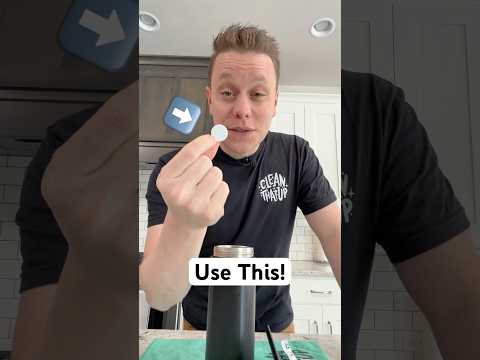
These videos show you how to clean your water bottle in different ways:
 01:54
01:5401:17
 02:26
02:26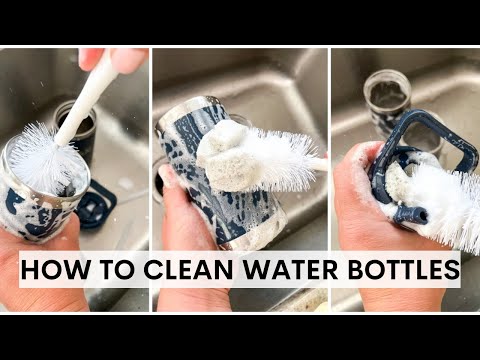 00:57
00:57The key to preventing mold and bacterial buildup in a reusable water bottle is **regular cleaning + making sure it dries completely**. Most problems come from moisture, saliva residue, and warm environments that let microbes grow. Here’s a simple, effective routine: * * *
The key to preventing mold and bacterial buildup in a reusable water bottle is regular cleaning + making sure it dries completely. Most problems come from moisture, saliva residue, and warm environments that let microbes grow.
Here’s a simple, effective routine:
This is what prevents 90% of buildup.
Empty the bottle after each day of use
Wash with hot water + dish soap
Use a bottle brush to scrub inside (don’t forget the bottom)
Scrub the lid, mouthpiece, and any straw or gasket
Rinse thoroughly so no soap remains
Let it air-dry completely, upside down, with the cap off
💡 Tip: The lid is usually the dirtiest part because it constantly touches your mouth and hands.
This removes biofilm (the thin “invisible slime” bacteria live in).
Choose one method:
Run on hot cycle
Place lid and parts on top rack if allowed
Let it dry fully afterward
Mix 1:1 white vinegar + water
Fill bottle and soak 5–15 minutes
Scrub, rinse well, air dry
Add baking soda + vinegar (it will fizz)
Fill with warm water
Let sit, then scrub and rinse
Mold loves damp spaces.
Always air-dry completely
Store bottle unsealed and open
Don’t cap it while it’s even slightly wet
Don’t leave water sitting for days
Avoid sipping the same bottle all day in warm environments
Don’t share bottles
Replace bottles if you see cracks, persistent smell, or visible mold
Rinse daily
Soap wash daily or at least every 1–2 uses
Deep clean weekly
Always fully dry
If you want, tell me what type of bottle you have (plastic, stainless steel, straw lid, etc.). The best cleaning method changes a bit depending on the design.