
Data as of Aug 25, 2026 · Based on 280 AI responses from ChatGPT, Google AI Overviews, ChatGPT Search and Google AI Mode · See how Parse measures this
 YouTube
Brands already showing up
This prompt

 YouTubeBetter Homes & GardensKG Landscape
Your brand can be here too.
Source | Citation share |
|---|---|
10 Tips to Make a Small Yard Look Larger | KG Landscapehttps://www.kglandscape.com/10-tips-to-make-a-small-yard-look-larger | 3.5% |
 Make Your Backyard Appear Largerhttps://apexlandscaping.com/6-small-backyard-ideas-to-make-your-yard-appear-larger/ | 3.5% |
 16 Ways to Make Your Backyard Look Super Sized - Patio Productionshttps://www.patioproductions.com/blog/features/16-ways-to-make-your-backyard-look-super-sized/ | 3.4% |
 Creating Different Areas In A Small Yard Can Help Make It Look Biggerhttps://www.elementdesignnetwork.com/post/creating-different-areas-in-a-small-yard-can-help-make-it-look-bigger | 3.3% |
 How to make your backyard look bigger in 7 clever ways | Tom's Guidehttps://www.tomsguide.com/how-to/how-to-make-your-backyard-look-bigger | 3.1% |
 Big Possibilities: 10 Tips to Transform a Small Backyard | Wall & Companyhttps://wallandcompany.com/tips-transform-small-backyard/ | 2.8% |
 24 Small Backyard Ideas to Transform a Space – Bower & Branchhttps://bowerandbranch.com/blogs/landscape-design/small-backyard-ideas-to-transform-a-space | 2.8% |
 Make Your Small Backyard Look Bigger [EXPERT TIPS]https://www.polywood.com/blogs/style-guides/how-to-make-your-small-backyard-look-bigger-with-expert-tips | 2.4% |
 How to make a small backyard look bigger: 10 clever ideas | Homes and Gardenshttps://www.homesandgardens.com/gardens/how-to-make-a-small-backyard-look-bigger | 2.0% |
How to make a backyard look bigger: 8 space-enhancing tricks | Homes and Gardenshttps://www.homesandgardens.com/gardens/how-to-make-a-backyard-look-bigger | 2.0% |
You can make a small backyard feel spacious and welcoming by using smart landscaping, strategic layout design, and optical illusions.
📐 Maximize the Layout
🌿 Smart Planting and Gardening
👁️ Optical Illusions and Decor
🕯️ Create an Inviting Atmosphere
If you want to tailor these ideas to your specific space, tell me:
I can build a customized design plan based on your needs.
Absolutely! Making a small backyard feel larger and more inviting is all about visual tricks, thoughtful layout, and sensory appeal. Let’s break it down into practical strategies:
💡 Extra Tip: Choose a focal point—something the eye is naturally drawn to, like a tree, fountain, or colorful planter. This makes the space feel larger because your eye has a “destination.”
If you want, I can sketch a sample layout for a tiny backyard under 200 sq ft showing all these principles—so you can see exactly how to maximize space visually and practically.
Do you want me to do that?
No sources cited
Making a small backyard feel bigger isn’t about cramming in more—it’s about controlling what the eye sees and how the space flows. A few smart design moves can dramatically change how spacious and inviting it feels.
Here’s how to do it effectively:
A cluttered yard instantly feels smaller. Stick to a limited palette of plants, colors, and materials so everything feels cohesive. Source 1Source 2 Instead of 10 different plants, choose 2–3 varieties and repeat them—it creates visual calm and makes the space feel intentional.
Oversized furniture is one of the fastest ways to shrink a space visually. Go for:
Slim, lightweight chairs
Foldable or multi-use pieces
Open-frame or see-through designs
This keeps sightlines open and lets light pass through, making everything feel airier.
Lighting doesn’t just add ambiance—it changes perception of size.
Hang string lights high along fences
Add soft lighting around edges or planters
This “pushes” the boundaries outward visually and makes the yard feel deeper and more inviting.
When floor space is limited, use height:
Vertical planters or trellises
Hanging baskets
Tall, narrow plants
Drawing the eye upward creates a sense of depth and openness.
It sounds counterintuitive, but dividing your yard into small “rooms” (like a seating area + plant corner) actually makes it feel larger.
It adds structure and prevents the space from feeling like one cramped block.
A classic trick that works outdoors too:
Garden mirrors
Metallic or glass decor
They reflect light and scenery, creating the illusion of more space.
Lighter tones and consistent materials make everything feel more open and seamless.
Avoid too many contrasting surfaces—those visually “cut up” the yard and make it feel smaller.
Large bushes can block light and eat up space.
Planters:
Keep things flexible
Let you rearrange easily
Create a cleaner, more open layout
If you want a shortcut, aim for this balance:
Open space (breathing room)
A few focal points (not many)
Clear pathways + sightlines
If you want, tell me your backyard size and what you already have (grass, patio, fence, etc.), and I can sketch a layout idea tailored to your space.
Make a small backyard feel larger and more inviting by using vertical space, creating distinct functional zones, and utilizing light-colored materials to reflect light. Employ clever design tricks like curved pathways to extend the view, add mirrors to create the illusion of extra space, and use slim, multi-functional furniture to maximize open, walkable areas.
Key Strategies to Expand Small Backyards:
Inviting Atmosphere Enhancements:
Making a small backyard feel bigger isn’t about squeezing more in—it’s about controlling what the eye sees and how the space flows. A few smart design choices can completely change how spacious and inviting it feels.
Here are the most effective (and realistic) ways to do it:
A crowded yard instantly feels smaller. Stick to a limited palette of plants, materials, and colors so the space feels cohesive instead of chaotic.
Choose 2–3 main plant types instead of many varieties
Use one consistent flooring material if possible
Keep décor intentional, not scattered
👉 The goal: your eye should move smoothly across the space, not stop at clutter.
Oversized furniture is one of the fastest ways to shrink a yard visually.
Go for slim, lightweight, or open-frame pieces
Use foldable or multi-purpose items (bench + storage, etc.)
Keep the center area as open as possible
Well-proportioned furniture helps maintain flow and usable space.
This sounds counterintuitive, but dividing your yard into small, purposeful areas actually makes it feel larger.
Examples:
A small seating nook
A plant border or garden strip
A dining or grilling corner
Even subtle separation (like a rug, planter line, or change in material) helps.
When space is tight, build upward.
Trellises, wall planters, or climbing plants
Tall, narrow plants instead of wide bushes
Hanging lights or décor
Vertical elements draw the eye up and free up floor space—making everything feel more open.
Good lighting doesn’t just add ambiance—it creates depth.
String lights overhead
Soft lights along edges or planters
Avoid harsh, overly bright lighting
Layered lighting makes the yard feel wider and more welcoming after dark.
It sounds like an indoor trick—but it works outdoors too.
Outdoor mirrors on fences
Glass or metallic décor
Water features for reflection
These bounce light and visually “double” the space.
A common design mistake is putting things in the middle.
Move seating and plants toward the edges
Keep a clear central area
Avoid blocking sightlines
Open sightlines = instant feeling of more space.
Light tones reflect light and feel airy.
Pale pavers, light furniture, neutral cushions
Soft greens and whites in planting
Dark colors can work too—but balance them so the space doesn’t feel closed in.
Instead of many small features, choose one standout element :
A fire pit
A statement planter
A small water feature
This anchors the space and makes it feel designed—not cramped.
A big 2026 trend is turning backyards into cozy extensions of the home.
Add cushions, rugs, or a pergola
Create a defined seating area
Think comfort + purpose
This makes even a small yard feel intentional and inviting.
If you remember just three things:
Keep it simple
Use vertical space
Choose the right scale
Those alone will dramatically change how big your backyard feels.
If you want, tell me your yard size or layout (even roughly), and I can suggest a specific setup that would work for your space.
To make a small backyard seem larger and more inviting, create distinct zones for lounging and gardening, utilize vertical space with hanging planters or trellises, and use light-colored materials to brighten boundaries. Keep the center open with furniture placed along the edges, use vertical, narrow, or tall plants to draw the eye upward, and add mirrors to create the illusion of extended space.
Layout and Design Strategies
Visual Tricks to Increase Size
This video offers several design tips to make your small backyard look bigger:
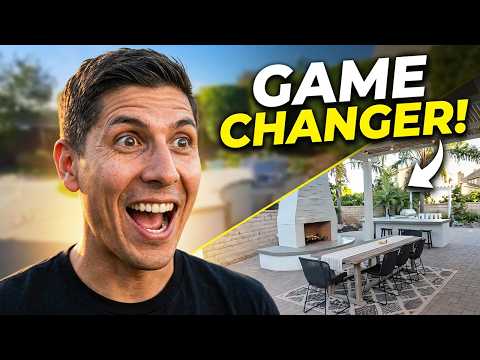 53s
53sInviting Landscaping and Furniture
Cozy Additions
To make a small backyard seem larger and more inviting, create distinct zones (like a seating area and a garden nook) to add functionality, use vertical gardening, and choose low-profile, multi-purpose furniture. Opt for light colors to reflect light, install diagonal pathways to trick the eye, and add a focal point—like a water feature or small tree—to create depth.
Layout and Structural Tricks
This video offers several small backyard design ideas:
53sFurniture and Landscaping Ideas
By implementing these strategies, your small backyard can be transformed into a functional and inviting oasis.
You can’t change the size of your backyard, but you can change how your brain perceives it. The goal is to reduce visual clutter, guide the eye, and create “depth” so the space feels open instead of boxed in. Here are practical ways to do that:
Too many separate features (random planters, winding paths, scattered decor) chop up a small yard visually and make it feel tighter. Instead, aim for a clean layout with a clear purpose—like one seating area and one planting zone.
Designers consistently recommend a “less is more” approach so the eye isn’t overwhelmed and the yard feels more continuous.
Oddly enough, dividing a small yard into 2–3 purposeful zones (like dining + lounging + planting) can make it feel larger because it adds structure and depth. A pergola or even a simple change in flooring or edging can define these areas.
When the ground plane is small, go upward:
Trellises with climbing plants
Hanging planters
Tall, narrow shrubs or ornamental grasses
Wall-mounted greenery
This draws the eye up, which instantly expands perceived space.
Too many colors in hardscaping, furniture, and decor can make a yard feel chopped up. A cohesive palette (like light neutrals + green + one accent color) makes everything feel more unified and spacious.
Bulky outdoor furniture visually shrinks a yard. Instead, use:
Slim metal or rattan pieces
Glass or slatted tables
Furniture with visible legs (not blocky bases)
This allows light and air to move through the space, which makes it feel less crowded.
Straight, rigid boundaries can emphasize a small rectangle. Instead:
Lay pavers diagonally
Extend lines of decking or edging through the space
Keep pathways flowing instead of segmented
This tricks the eye into seeing more depth.
A single standout feature—like a small water feature, sculptural plant, or statement chair—draws attention and gives the yard a “destination,” which makes the rest feel more expansive.
Hard fences that stand out can visually “box in” a space. Softening edges with:
Climbing vines
Layered plants
Partial screens or lattice
helps the yard feel like it continues beyond its boundaries.
String lights, uplighting on plants, or low path lighting removes dark corners—dark corners are what make small yards feel even smaller.
One seating area
Vertical greenery on one wall
Light-colored gravel or decking
String lights overhead
One focal plant or feature
That alone can make a small backyard feel noticeably larger and more inviting.
If you want, tell me your yard shape (long/narrow, square, fenced, etc.) and I can sketch a simple layout idea tailored to it.
To make a small backyard seem larger and more inviting, focus on vertical gardening, creating distinct functional zones, using light-colored materials, and keeping, or, limiting the lawn in favor of patios. Maximize space by using vertical, wall-mounted planters, mirrors to create illusions of depth, and arranging furniture around the perimeter to keep the center open.
Design Tricks to Maximize Space
This video offers tips on how to use vertical space in your small backyard:
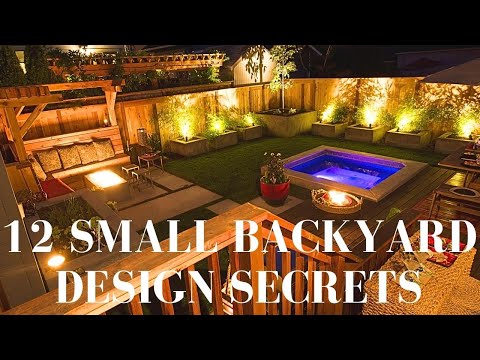 57s
57sCreating an Inviting Atmosphere
This video shows how a small, neglected backyard can be transformed into a beautiful, functional space:
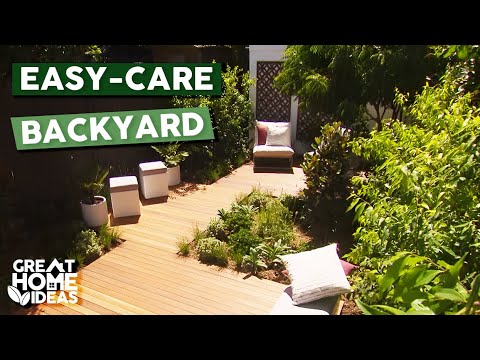 58s
58sLayout and Landscaping Tips
Making a small backyard feel bigger (and more inviting) is less about square footage and more about how you guide the eye, use space, and create atmosphere. A few smart design tricks can completely change how it feels.
Here’s what actually works—without needing a full renovation:
A crowded yard feels smaller instantly. Stick to a limited palette of plants, colors, and materials so everything feels cohesive instead of busy.
Use 2–3 plant types instead of many varieties
Repeat colors or textures for a clean look
Avoid lots of small décor pieces
👉 Think: calm, intentional—not packed.
Oversized furniture is one of the fastest ways to shrink a space visually.
Choose slim, lightweight, or foldable pieces
Look for multi-use items (storage benches, stools)
Keep the center area open for flow
This keeps sightlines clear and makes the yard feel breathable.
It sounds counterintuitive, but dividing a small yard into areas actually makes it feel bigger.
A seating nook + a plant corner
A path leading to a focal point
A small dining or fire pit area
Zoning creates structure and makes the space feel like multiple “rooms.”
When you run out of ground space—go up.
Wall planters or trellises
Hanging baskets
Climbing plants on fences
This draws the eye upward and frees up floor space.
Good lighting doesn’t just look nice—it expands the space visually.
String lights overhead
Soft lights along edges or planters
Warm tones instead of harsh white
Lighting creates layers and makes the yard feel cozy at night.
A few tricks can “fake” more space:
Mirrors or reflective décor to bounce light
Paint fences darker so they recede visually
Angle pathways or furniture slightly to elongate space
These small tweaks can noticeably change perception.
Avoid blocking views across your yard.
Move bulky plants or objects to the edges
Use planters instead of large shrubs
Keep the center visually clear
This makes the yard feel wider and more open.
Light colors reflect more light and feel airy.
Pale decking or gravel
Neutral furniture
Consistent tones across materials
A unified palette makes the space feel larger and more polished.
“Bigger” isn’t the only goal—comfortable matters more.
Add an outdoor rug or cushions
Include one focal point (fire pit, water feature, or statement plant)
Blend indoor/outdoor style for continuity
Even small upgrades can make the space feel like a destination.
Things like size, sun exposure, budget, and whether you want low maintenance or lush greenery will change the best setup.