
Data as of Aug 25, 2026 · Based on 280 AI responses from ChatGPT, Google AI Overviews, ChatGPT Search and Google AI Mode · See how Parse measures this
Brands AI recommends here
Named in 33% of answers
Named in 13% of answers
Named in 12% of answers
Named in 11% of answers
Source | Citation share |
|---|---|
 How to Start a Community Garden | UMN CCAPShttps://ccaps.umn.edu/story/7-effective-steps-start-community-garden | 7.7% |
 A Guide to Starting a Community Garden - Nehemiah Projecthttps://nehemiahprojectcdc.org/resources/a-guide-to-starting-a-community-garden | 4.4% |
 Starting a Community Gardenhttps://www.youtube.com/watch | 3.6% |
 Starting a Community Garden - Coalition of Community Gardenshttps://coalitionofcommunitygardens.org/get-involved/starting-a-community-garden/ | 3.4% |
 Apply to Start a Community Garden | Austin Parks and Recreation | AustinTexas.govhttps://www.austintexas.gov/parks-and-recreation/apply-start-community-garden-guide | 3.3% |
 Microsoft Word - Start-up Guide Final, web version.dochttps://download.fargond.gov/1/community_garden_pdf.pdf | 3.2% |
 Start a Community Garden - Community Gardening - Research Guides at Boston Public Libraryhttps://guides.bpl.org/communitygardening/startacommunitygarden | 3.1% |
 How to Organize a Community Garden | NC State Extension Publicationshttps://content.ces.ncsu.edu/how-to-organize-a-community-garden | 2.2% |
 How do I start a community garden? : r/vegetablegardeninghttps://www.reddit.com/r/vegetablegardening/comments/10q5lz1/how_do_i_start_a_community_garden/ | 2.1% |
 Community Garden Checklist | Let's Move!https://letsmove.obamawhitehouse.archives.gov/community-garden-checklist | 2.1% |
Starting a small community garden requires **gathering a dedicated team of neighbors** first , rather than finding land first, to ensure the project has enough long-term volunteer support to survive.[](https://www.reddit.com/r/vegetablegardening/comments/10q5lz1/how_do_i_start_a_community_garden/)…
Starting a small community garden requires gathering a dedicated team of neighbors first , rather than finding land first, to ensure the project has enough long-term volunteer support to survive.
Here is the step-by-step process to transform a vacant neighborhood space into a flourishing community plot:
To help tailor this advice, what city or region are you located in? If you have a specific piece of land in mind or know roughly how many neighbors are interested, sharing those details can help narrow down your local zoning or resource options.
Starting a small community garden is a fantastic idea! It can bring neighbors together, promote healthy eating, and beautify your area. Here’s a step-by-step guide, broken down carefully to make it practical and actionable: --- ### **1. Build Interest and Gather Support**
Starting a small community garden is a fantastic idea! It can bring neighbors together, promote healthy eating, and beautify your area. Here’s a step-by-step guide, broken down carefully to make it practical and actionable:
If you want, I can create a sample step-by-step checklist with timelines and practical tips, specifically tailored for starting a small urban neighborhood garden, so you have something you could hand to neighbors or use for a permit application.
Do you want me to do that?
No sources cited
Starting a small community garden is equal parts organizing people, finding the right space, and setting up something sustainable. The good news: you don’t need a huge budget—just structure and community buy-in. Here’s a practical roadmap you can follow: * * *
Starting a small community garden is equal parts organizing people, finding the right space, and setting up something sustainable. The good news: you don’t need a huge budget—just structure and community buy-in.
Here’s a practical roadmap you can follow:
A community garden only works if there’s real interest.
Talk to neighbors, post flyers, or start a group chat
Host a quick interest meeting (even informal)
Ask: What do people want to grow? How involved can they be?
This step is critical—gardens fail when one person does all the work How to Start a Community Garden: Getting People Involved | CAES Field Report.
You don’t need a big committee—just a few committed people.
Assign simple roles (organizer, outreach, supplies, etc.)
Decide early: shared garden vs. individual plots
Having structure early prevents confusion later Starting a Community Garden - Coalition of Community Gardens.
Look for:
Vacant lots
Church/school yards
Parks or city-owned land
Key checks:
Ownership (get permission or a lease)
Sunlight (6+ hours for vegetables)
Water access
Soil safety (especially in cities)
In Baltimore , soil testing is actually required for gardens growing food, and composting/structures have rules you must follow § 14-307. Community-managed open-space gardens and farms. | City of Baltimore Law Library.
👉 Real-world tip (from community discussions):
“Find out who owns the land and get their buy-in first.”
You can start small, but you’ll likely need:
Soil, compost, seeds
Basic tools
Water access
Ways to fund it:
Small membership dues
Donations from local businesses
Grants or city programs
Community fundraisers
Some gardens even sell small “sponsorships” or plots to raise money Starting a Community Garden - Coalition of Community Gardens.
Keep it simple at first:
Raised beds or in-ground plots
Paths between beds
Compost area
Tool storage (even a shared bin works)
Also decide:
How plots are assigned
Shared vs. individual harvest
Maintenance expectations
Planning layout and responsibilities early makes the garden sustainable No Space For a Garden at Home? How to Start a Community Garden Everyone Can Use.
This prevents drama later.
Examples:
Who waters and when
What happens if a plot is abandoned
Organic-only or not
Shared work hours
Write it down—even a one-page agreement helps.
Don’t try to build a perfect garden in year one.
Begin with a few beds
Choose easy crops (tomatoes, herbs, greens)
Add features (compost, seating, kids’ area) later
This is what keeps the garden alive long-term:
Host planting days or harvest events
Share produce or recipes
Include kids and beginners
Community gardens succeed because they build relationships—not just food How to Start a Community Garden: 15 Expert Steps to Grow Together 🌱 (2026) - Community Gardening.
Look into city programs like vacant lot adoption (often mentioned by locals)
Connect with local gardening groups or urban farming networks
Check zoning + soil rules early (important in your city)
If you remember nothing else:
Get people first
Secure land legally
Start small and organized
If you want, I can help you sketch a simple garden layout or find local Baltimore programs and grants to get you started.
Sponsored…
Sponsored
My Ad Center
Here are some raised garden beds to consider:
Starting a community garden involves organizing a core group of volunteers, securing a sunny, accessible site, and obtaining legal permission from the landowner. Key steps include designing the layout, raising funds (often $…
Starting a community garden involves organizing a core group of volunteers, securing a sunny, accessible site, and obtaining legal permission from the landowner. Key steps include designing the layout, raising funds (often
$
1
,
500
to
$
7
,
500
), sourcing materials, and establishing clear community rules, typically involving raised beds for easier maintenance.
This video offers advice on starting a community garden:
 01:00
01:00Here is a step-by-step guide to starting your community garden:
1. Organize and Plan
2. Find and Secure a Site
3. Develop the Garden
4. Build Community Engagement
Resources
Initial costs often range from
$
1
,
500
to
$
4
,
000
, with ongoing annual maintenance fees needed for supplies and utilities.
Starting a small community garden is very doable—but the biggest mistake people make is focusing on plants before people. A successful garden is really a social project first, and a gardening project second. Here’s a practical, step-by-step way to get one going in your neighborhood: * * *
Starting a small community garden is very doable—but the biggest mistake people make is focusing on plants before people. A successful garden is really a social project first, and a gardening project second.
Here’s a practical, step-by-step way to get one going in your neighborhood:
Before anything else, find out if others actually want this.
Talk to neighbors, post on local groups, or host a casual meeting
Aim for at least a small core group (3–5 committed people)
Ask what they want: veggies, flowers, shared plots, donations, etc.
👉 This matters because gardens often fail when one person does all the work and others don’t stay involved
Create a core group to handle decisions and workload.
Typical roles:
Organizer/coordinator
Fundraising or partnerships person
Gardening lead (if someone has experience)
Even a tiny team makes things sustainable long-term.
Look for:
Empty lots, schoolyards, churches, parks
At least 6+ hours of sunlight and access to water
Safe soil (you may need testing)
Important:
Find out who owns the land
Get written permission or a lease if possible
These basics (sunlight, water, permission) are essential for a viable site
You don’t need a huge budget, but you’ll need basics.
Ways to get support:
Local businesses or nonprofits (tools, soil, seeds)
Small grants or city programs
Membership dues or fundraisers
Some gardens partner with schools, churches, or nonprofits for funding and insurance
Keep it simple at first.
Decide:
Individual plots vs. shared garden
Pathways, raised beds, compost area
Water system (hose, drip, etc.)
Then:
Clear the land
Improve soil (compost is key)
Build beds and mark plots
This prevents drama later.
Include things like:
Who gets a plot and how
Maintenance expectations
Water use and shared responsibilities
What happens if someone abandons a plot
Clear structure helps gardens last long-term
Now the fun part—but don’t stop organizing.
Keep momentum with:
Regular work days
Group planting events
Communication (group chat, email list)
Community gardens thrive when people stay connected, not just when plants grow
Starting alone without real interest
Not getting permission for land
No clear rules or leadership
Overbuilding too early (start small, expand later)
If you want to keep it low-pressure:
Start with just 3–5 neighbors
Use a small shared plot or even raised beds
Grow easy crops (tomatoes, herbs, lettuce)
You can scale up once people are invested.
If you want, I can help you:
Draft a flyer to recruit neighbors
Suggest crops for your area (Stockton climate is great for a lot)
Find local programs or grants near you
Just tell me 👍
Starting a small community garden involves forming a core group of at least 5–10 dedicated neighbors, securing land (public or private) with at least 6–8 hours of sunlight, and obtaining written permission. Key steps include ensuring access to a water source, testing the soil, and creating a budget ($2,500–$5,000) for…
Starting a small community garden involves forming a core group of at least 5–10 dedicated neighbors, securing land (public or private) with at least 6–8 hours of sunlight, and obtaining written permission. Key steps include ensuring access to a water source, testing the soil, and creating a budget ($2,500–$5,000) for supplies like raised beds.
Step 1: Organize Your Team and Plan
This video explains how to form a team and plan your community garden:
 58s
58sStep 2: Find and Secure Land
Step 3: Develop the Site
This video provides tips for designing your community garden plot:
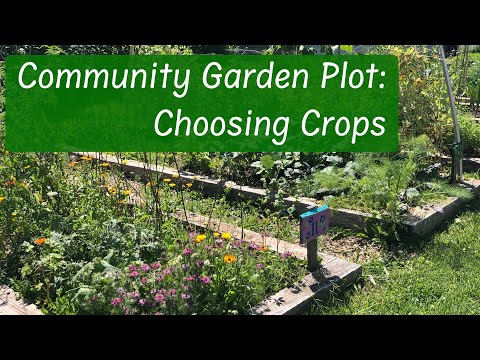 02:46
02:46Step 4: Find Resources and Build Community
Important Tips for Success:
Starting a small community garden is mostly about people and organization first, and plants second. Here’s a practical, step-by-step way to get one going in your neighborhood. * * * ## 1\. Gather interested neighbors first
Starting a small community garden is mostly about people and organization first, and plants second. Here’s a practical, step-by-step way to get one going in your neighborhood.
Before you worry about land or tools, find 3–10 people who genuinely want to participate. Community gardens fail most often when one person tries to “build it and hope people come.” Successful ones start with a committed group.
Try:
Talking to neighbors directly
Posting in neighborhood apps (Nextdoor, Facebook groups)
Putting up a simple flyer or survey
Hosting a casual “interest meeting”
Once you’ve got interest, bring people together and decide:
Do you want food crops, flowers, or both?
Who is it for (just neighbors, open community, families, etc.)?
How big should it be?
This meeting is about building shared direction and commitment.
Pick a few people to handle basics like:
Coordination / communication
Money or fundraising
Site scouting
Outreach
You don’t need a formal structure yet—just people who reliably show up and follow through.
Look for:
Vacant lots
Church or school yards
Underused city or park space
Private property owners willing to share land
Then:
Confirm ownership
Ask permission (written agreement is best)
Check zoning rules with your city
If you’re in Portland or a similar city, local parks departments sometimes have community garden programs or permits.
A garden without water is basically impossible long-term. Ask:
Is there a hose hookup nearby?
Can the property owner provide access?
Is rainwater collection an option?
Agree early on:
Individual plots vs. shared garden beds
Rules (maintenance, harvesting, tools)
Who maintains common areas
What happens if someone stops participating
Simple written rules prevent future conflicts.
You don’t need much to start:
Seeds and starter plants
Soil amendments or compost
Basic tools (shovels, hoses, gloves)
Fencing (often important)
Funding sources:
Small neighborhood donations
Local nonprofits
City mini-grants
Tool libraries or garden centers
This is the “community building” stage:
Clear debris and weeds
Test soil (important if it’s an old lot)
Build raised beds if needed
Set paths and layout
Don’t try to perfect everything at once. Start with:
Easy crops (lettuce, herbs, tomatoes)
One or two shared beds
Visible progress fast (keeps people engaged)
Community gardens survive because people keep showing up:
Monthly work days
Shared harvest events
Group chats for coordination
Seasonal planning meetings
The biggest challenge usually isn’t gardening—it’s coordination and long-term participation. Gardens thrive when responsibility is shared and communication stays active.
If you want, I can help you map out a simple “first 30 days plan” or even draft a flyer to recruit neighbors in your area.
Starting a community garden is mostly about organizing people and securing a space—not just planting. Here’s a clear, practical path you can follow (based on what successful gardens typically do): ## 1\. Gather interested neighbors first Don’t start with land—start with people. A community garden only works if several…
Starting a community garden is mostly about organizing people and securing a space—not just planting. Here’s a clear, practical path you can follow (based on what successful gardens typically do):
Don’t start with land—start with people. A community garden only works if several neighbors are committed.
Talk to friends, neighbors, and local groups
Aim for a small core team (3–10 people is a good start)
Hold a simple meeting to see who’s serious about participating
Community gardens often fail when someone tries to do it alone or without enough long-term interest
Once you have interest, create a core organizing team.
Assign basic roles like:
Coordinator (keeps things moving)
Communications person (talks to neighbors)
Site/land lead
Funding/grants lead (optional)
This group makes decisions and prevents everything from falling on one person
This is often the hardest step.
Possible options:
An empty lot (city-owned or private)
A church or school yard
A park (usually requires permits)
Someone’s large backyard (simplest start)
Important:
Confirm ownership
Ask permission in writing
Check water access and sunlight
Look into zoning rules or permits if needed
Depending on where the land is, you may need:
A lease agreement (private land)
A permit (city/public land)
Liability insurance (sometimes required)
This step keeps your garden from being shut down later.
Get neighbors and local groups involved early:
Neighborhood association
Schools or youth groups
Local churches or nonprofits
Nearby businesses
Support letters can help with permissions and funding.
Keep it simple at first:
Individual plots vs shared garden
Paths and access
Water source
Compost area
Tool storage
Don’t over-design—start small and expandable.
Agree on:
How plots are assigned
Maintenance expectations
Water/tool sharing
Conflict resolution
Who is responsible for common areas
Clear rules prevent future disputes.
You may need money for:
Soil and compost
Tools
Fencing
Water hookup
Funding options:
Small grants (city or nonprofits)
Local sponsorships
Fundraisers (plant sales, bake sales)
Membership fees
Once land + people + permission are in place:
Clear debris and weeds
Test soil (important in older urban lots)
Build beds or plots
Start with easy crops (tomatoes, beans, herbs)
The biggest challenge is maintenance.
Host workdays
Share harvests or donate extras
Hold seasonal meetings
Keep communication active (group chat helps a lot)
If you want, tell me your neighborhood situation (like whether you already have a vacant lot or just an idea), and I can help you map out a realistic first 30-day plan for getting it started.
Starting a community garden involves organizing a dedicated group of 5–10 neighbors, finding a sunny, accessible site (6-8 hours of sunlight) with water access, and securing permission through a lease. Initial steps include forming a committee, setting a budget (…
Starting a community garden involves organizing a dedicated group of 5–10 neighbors, finding a sunny, accessible site (6-8 hours of sunlight) with water access, and securing permission through a lease. Initial steps include forming a committee, setting a budget (
$
1
,
500
–
$
7
,
500
), creating a design with raised beds, and setting clear rules for maintenance and behavior.
Here are the key steps to starting a community garden:
1. Organize and Plan
1. Find and Prepare a Site
3. Build and Maintain
It is highly recommended to start with a smaller plot of land and expand later. For detailed guides, organizations like Urban Harvest offer comprehensive resources.

