Data as of Aug 25, 2026 · Based on 322 AI responses from ChatGPT Search and Google AI Mode · See how Parse measures this
For women needing an iron supplement that is gentle on the digestive system, 
Brands AI recommends here
Named in 51% of answers
Named in 39% of answers
Named in 38% of answers
Named in 35% of answers
Source | Citation share |
|---|---|
 Dietitians' Picks: 8 of the Best Iron Supplements for 2026https://www.healthline.com/nutrition/best-iron-supplement | 4.5% |
 The Best Iron Supplements for Sensitive Stomachshttps://www.tiktok.com/@healthwithnyrah/video/7533727092253527318 | 4.4% |
 11 Iron Supplements for Women Recommended by RDs in 2026https://www.everydayhealth.com/diet-nutrition-products/best-iron-supplement-for-women/ | 3.8% |
 Active Ironhttps://www.activeiron.com/us/health/iron-supplementation/sensitive-stomachs/ | 3.8% |
 9 Best Iron Supplements for Women, According to Experts | Voguehttps://www.vogue.com/article/best-iron-supplements | 3.0% |
Here Are the Top 10 Dietitian-Approved Iron Supplements for 2026https://www.livestrong.com/article/491223-the-best-iron-supplement-if-iron-upsets-your-stomach/ | 2.8% |
 How to Choose the Best Iron Tablets for Womenhttps://wellbeingnutrition.com/blogs/sleep-stress-cognition/how-to-choose-the-best-iron-tablets-for-women | 2.3% |
 10 Best Iron Supplements for Women: How to Choosehttps://int.livhospital.com/iron-supplements-for-women/ | 2.2% |
 What is the Best Iron Supplement for a Sensitive Stomach – Core Med Sciencehttps://coremedscience.com/blogs/wellness/what-is-the-best-iron-supplement-for-a-sensitive-stomach | 1.8% |
 Iron supplements that are gentle on the stomach (for mom)https://www.reddit.com/r/moderatelygranolamoms/comments/1kx1o7p/iron_supplements_that_are_gentle_on_the_stomach/ | 1.5% |
When looking for an iron supplement that is easy on the stomach, the secret is looking for **iron bisglycinate** (also known as fermented or chelated iron glycinate) rather than traditional ferrous sulfate. Chelated forms are absorbed much more efficiently by your body and drastically cut down on common side effects…
When looking for an iron supplement that is easy on the stomach, the secret is looking for iron bisglycinate (also known as fermented or chelated iron glycinate) rather than traditional ferrous sulfate. Chelated forms are absorbed much more efficiently by your body and drastically cut down on common side effects like nausea, cramping, and constipation.
Top-rated, stomach-friendly options widely recommended for women include:
Note: Sluggishness can stem from low iron (or iron deficiency anemia), but it can also be caused by thyroid issues, vitamin D/B12 deficiencies, or other factors. It’s always best to get a simple blood test (like a complete blood count and ferritin test) from your healthcare provider to confirm your iron levels before starting a high-dose supplement.
If you'd like, let me know:
I can help tailor this recommendation or share tips on what to pair with your iron (like Vitamin C) to maximize absorption!
If your sluggishness is from **iron deficiency**, an iron supplement can help—but I wouldn’t start high-dose iron just for fatigue without checking your **CBC and ferritin** first. Fatigue has many causes, and excess iron can be harmful. [Office of Dietary…
If your sluggishness is from iron deficiency, an iron supplement can help—but I wouldn’t start high-dose iron just for fatigue without checking your CBC and ferritin first. Fatigue has many causes, and excess iron can be harmful.
My first choice would be iron bisglycinate (ferrous bisglycinate/chelated iron). It’s generally marketed as gentler on the GI tract than traditional ferrous sulfate, and NIH supplement-label data specifically describe bisglycinate products as stomach-friendly.
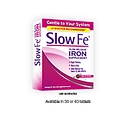
This particular product uses iron bisglycinate (Ferrochel) and provides 25 mg iron per serving, along with folinic acid and B vitamins.
A few tips:
If you tell me your age, whether you have heavy periods, whether you're pregnant/breastfeeding, and whether you've had a recent ferritin/CBC, I can suggest an appropriate iron dose and compare 3–5 gentle iron supplements for you.
If you’re feeling sluggish, **iron deficiency is one possibility, but I wouldn’t start high-dose iron solely based on fatigue**. A CBC and ferritin blood test can tell you whether iron deficiency is actually present. Iron supplements can cause nausea, constipation, and stomach pain, particularly at higher doses.…
If you’re feeling sluggish, iron deficiency is one possibility, but I wouldn’t start high-dose iron solely based on fatigue. A CBC and ferritin blood test can tell you whether iron deficiency is actually present. Iron supplements can cause nausea, constipation, and stomach pain, particularly at higher doses.
I’d look for iron bisglycinate (ferrous bisglycinate/iron glycinate). NIH notes that iron amino-acid chelates may cause fewer GI side effects than traditional ferrous salts such as ferrous sulfate.
One current option I found is:
It uses iron bisglycinate and is marketed as stomach-friendly. It provides additional B vitamins and vitamin C as well.
A couple of practical tips:
For reference, women ages 19–50 generally need 18 mg/day total from food and supplements, while women 51+ need 8 mg/day. Those numbers aren't treatment doses for confirmed anemia.
If you tell me your age, whether you still have periods (and whether they're heavy), and whether you've had a recent ferritin/CBC, I can narrow down what dose/form makes the most sense for you.
Feeling sluggish can be a frustrating sign that your body is low on iron, but the standard medical choice (ferrous sulfate) often causes heavy stomach cramping and constipation . To avoid digestive upset, look for **iron bisglycinate** (also known as chelated iron), a form clinically proven to be highly absorbable…
Feeling sluggish can be a frustrating sign that your body is low on iron, but the standard medical choice (ferrous sulfate) often causes heavy stomach cramping and constipation . To avoid digestive upset, look for iron bisglycinate (also known as chelated iron), a form clinically proven to be highly absorbable while remaining incredibly gentle on sensitive stomachs.
Highly Rated Gentle Iron Supplements for Women
Strategies to Maximize Absorption and Avoid Nausea
Before purchasing a new supplement, it is highly recommended to get a quick ferritin and complete blood count (CBC) blood test from your doctor. This ensures you are targeting the root cause of your sluggishness and taking the exact dosage your body needs.
To help narrow down these options, could you let me know:


Feeling constantly sluggish is a classic sign that your iron levels might be running low , which is very common for women due to monthly menstruation . However, standard iron pills (like traditional ferrous sulfate) are notorious for causing nausea, cramping, and…
Feeling constantly sluggish is a classic sign that your iron levels might be running low , which is very common for women due to monthly menstruation . However, standard iron pills (like traditional ferrous sulfate) are notorious for causing nausea, cramping, and constipation.
To avoid that digestive misery, look for formulas featuring iron bisglycinate (a chelated form) or liquid/slow-release options that are specifically engineered to be gentle on the stomach.
Top Gentle Iron Supplements for Women
Quick Tips for Better Tolerability & Absorption
Could you share if you have confirmed low iron levels via a blood test or if you are experiencing heavy periods or pregnancy , so I can help tailor the right dosage or recommend a formula?
If sluggishness is making you think about iron, **I’d favor a low-to-moderate dose of ferrous bisglycinate (also called iron bisglycinate/chelated iron)**. It tends to be easier on the stomach than traditional ferrous sulfate, and research supports fewer GI side effects with bisglycinate.…
If sluggishness is making you think about iron, I’d favor a low-to-moderate dose of ferrous bisglycinate (also called iron bisglycinate/chelated iron). It tends to be easier on the stomach than traditional ferrous sulfate, and research supports fewer GI side effects with bisglycinate.
For example, Solgar's Gentle Iron provides 25 mg of iron as bisglycinate and is specifically formulated to be gentler on the stomach.
Feeling sluggish doesn't necessarily mean you need iron. Iron deficiency can cause fatigue, but taking unnecessary iron isn't harmless; excessive supplementation can cause GI problems and, in some people, iron overload.
If fatigue is new or persistent, I'd ideally ask your clinician for a CBC and ferritin before supplementing. This is particularly worthwhile if you have heavy menstrual periods, follow a mostly vegetarian/vegan diet, donate blood frequently, or have had low iron before.
If you tell me your age, whether you still have periods (and whether they're heavy), and whether you've had a recent ferritin/hemoglobin result, I can narrow this down to the best dose and a few specific products.
If the sluggishness is from **iron deficiency**, an iron supplement can help—but I’d avoid jumping straight to a high-dose product without checking your iron levels. Fatigue can have many causes, and excess iron can be harmful.…
If the sluggishness is from iron deficiency, an iron supplement can help—but I’d avoid jumping straight to a high-dose product without checking your iron levels. Fatigue can have many causes, and excess iron can be harmful.
Look for ferrous bisglycinate (iron bisglycinate/chelated iron). Compared with traditional ferrous salts such as ferrous sulfate, iron amino-acid chelates may cause fewer GI side effects, including constipation and nausea.
$18.50
This particular product provides 27 mg elemental iron as ferrous bisglycinate chelate. That's a relatively substantial dose, though, so I wouldn't automatically take 27 mg daily unless you've established that you need supplemental iron.
Ask your clinician for a CBC and ferritin. Ferritin is a particularly useful measure of your body's stored iron; low ferritin can identify iron deficiency even before anemia develops.
If iron deficiency is confirmed, a clinician can help determine the appropriate dose. For reference, the usual dietary recommendation for women 19–50 is 18 mg/day from all sources, while the adult upper limit for routine intake is 45 mg/day—although treatment of documented deficiency can involve different dosing under medical supervision.
For stomach tolerance: taking iron with food can reduce nausea and stomach upset, although absorption is generally better on an empty stomach. Vitamin C can help absorption, while coffee/tea and calcium can interfere with it, so timing matters.
If you tell me your age, whether you have heavy periods, whether you've had a recent ferritin/CBC, and whether constipation is your biggest concern, I can narrow down the most appropriate iron form and dose to discuss with your doctor.
Feeling constantly sluggish is exhausting, and for many women, it traces back to low iron levels from monthly cycles or dietary gaps . Traditional iron (like ferrous sulfate) is notorious for causing nausea and cramps, but specialized "gentle iron" formulas use chelated or slow-release delivery systems that are far…
Feeling constantly sluggish is exhausting, and for many women, it traces back to low iron levels from monthly cycles or dietary gaps . Traditional iron (like ferrous sulfate) is notorious for causing nausea and cramps, but specialized "gentle iron" formulas use chelated or slow-release delivery systems that are far kinder to the digestive tract.
Top-rated, stomach-friendly iron options for women include:
Tips to maximize absorption and comfort:
Before starting a new supplement, it is always wise to check your baseline. Do you know if you have a confirmed iron deficiency or low ferritin via bloodwork , or are you treating suspected symptoms ? Sharing this helps determine if you need a high-potency or daily maintenance dose.

If your main goal is **iron that’s less likely to upset your stomach**, I’d look first at **ferrous bisglycinate (iron bisglycinate)** rather than the traditional ferrous sulfate. ### My top picks **1. Best overall: Thorne Iron Bisglycinate — 25 mg**
If your main goal is iron that’s less likely to upset your stomach, I’d look first at ferrous bisglycinate (iron bisglycinate) rather than the traditional ferrous sulfate.
1. Best overall: Thorne Iron Bisglycinate — 25 mg
2. Best gentle/straightforward option: Solgar Gentle Iron — 25 mg
Feeling sluggish doesn't necessarily mean you need iron. Iron deficiency can cause fatigue, weakness and poor concentration, but taking unnecessary iron can cause constipation, nausea and abdominal pain, and excessive iron can be harmful.
If possible, I'd ask your clinician for CBC + ferritin, particularly if you have heavy periods, follow a vegetarian/vegan diet, or have had low iron before.
If your iron is actually low, current gastroenterology guidance recommends oral iron no more than once daily, with every-other-day dosing being an option for people who don't tolerate daily iron well. Vitamin C can also improve absorption.
Bottom line: If you already know you have low iron and want a stomach-friendly option, 25 mg iron bisglycinate (Thorne or Solgar) would be my starting point to discuss with your clinician. I would not jump straight to high-dose 65 mg iron just because you're tired.
If you tell me your age, whether you still have periods, and whether you have a recent ferritin/hemoglobin result, I can help you figure out what dose/form makes the most sense.
For a sluggish feeling caused by low iron, the best supplements for a sensitive stomach utilize gentle, chelated forms like **iron bisglycinate** (such as Thorne Iron Bisglycinate or Solgar Gentle Iron ) or specialized delivery systems like [Active Iron…
For a sluggish feeling caused by low iron, the best supplements for a sensitive stomach utilize gentle, chelated forms like iron bisglycinate (such as Thorne Iron Bisglycinate or Solgar Gentle Iron ) or specialized delivery systems like Active Iron Women and MegaFood Blood Builder . Traditional standard options like ferrous sulfate frequently cause nausea, cramps, and constipation because they oxidize rapidly in the gut, whereas bisglycinate binds to amino acids for easier, non-constipating absorption.
Gentle Iron Options Compared
Tips for Maximizing Absorption and Comfort
Before starting a new regimen, it is important to confirm your baseline levels with a blood test. If you'd like, let me know:
I can help you narrow down the ideal dosage and dosing frequency for your goals.