Data as of Aug 25, 2026 · Based on 320 AI responses from ChatGPT Search and Google AI Mode · See how Parse measures this
To address iron deficiency without the typical nausea or stomach discomfort associated with standard iron pills, choose formulations featuring chelated iron (like bisglycinate) or polysaccharide complexes. Popular options include 


Brands AI recommends here
Recommended for its use of iron bisglycinate, a chelated form that is easier on the digestive system. It is best for those who need a moderate dose that can be taken with food to further reduce the risk of stomach irritation.
Frequently cited for its bisglycinate formulation, which is specifically chosen to provide effective iron supplementation while significantly reducing common GI side effects like constipation or nausea.
Known for a specialized formula designed to increase iron absorption while minimizing the gut irritation often linked to standard iron intake, making it a strong choice for those with sensitive digestive tracts.
ThorneSource | Citation share |
|---|---|
 Dietitians' Picks: 8 of the Best Iron Supplements for 2026https://www.healthline.com/nutrition/best-iron-supplement | 4.4% |
 How to Choose the Right Iron Supplement for Sensitive Stomach | Expert Insightshttps://prosperpharmacy.ca/iron-supplement-for-sensitive-stomach/ | 3.3% |
 Active Ironhttps://www.activeiron.com/us/health/iron-supplementation/sensitive-stomachs/ | 2.9% |
 ACCRUFeR® - Iron You’ll Actually Take | Patient Homepagehttps://www.accrufer.com/ | 2.6% |
Here Are the Top 10 Dietitian-Approved Iron Supplements for 2026https://www.livestrong.com/article/491223-the-best-iron-supplement-if-iron-upsets-your-stomach/ | 2.5% |
 11 Iron Supplements for Women Recommended by RDs in 2026https://www.everydayhealth.com/diet-nutrition-products/best-iron-supplement-for-women/ | 2.3% |
Active Ironhttps://www.activeiron.com/health/iron-supplementation/sensitive-stomachs/ | 1.9% |
 10 Best Iron Supplements for 2025: Boost Ferritin Safelyhttps://int.livhospital.com/good-iron-supplement/ | 1.9% |
Active Ironhttps://www.activeiron.com/uk/health/iron-supplementation/sensitive-stomachs/ | 1.8% |
 Which iron supplement is best? - Those Nerdy Girlshttps://thosenerdygirls.org/which-iron-supplement/ | 1.7% |
If your doctor recommended iron, ferrous bisglycinate is one of the forms I’d ask about if stomach upset is your main concern. Evidence suggests it can cause fewer GI side effects than conventional iron salts in some people.
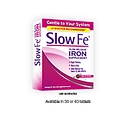
For example, a current product available is:
A couple of tricks can make a big difference: iron is generally absorbed better away from calcium, coffee, tea, and antacids; vitamin C can improve absorption. If taking it on an empty stomach makes you nauseated, ask your doctor/pharmacist whether taking it with a small amount of food is appropriate.
If you tell me your ferritin/hemoglobin results and the iron dose your doctor recommended (e.g., 25, 45, 65 mg), I can help you figure out which formulation and dosing approach would make the most sense to discuss with them.
Traditional iron supplements—like standard ferrous sulfate—are notorious for causing nausea, cramping, and constipation because the free iron irritates the gastric mucosa . If your stomach is sensitive, look for formulations using chelated iron (specifically iron bisglycinate), slow-release mechanisms, or food-based/liquid blends.
The top-rated, stomach-friendly options widely recommended by dietitians and well-tolerated by patients include:
Top Gentle Iron Options
Tips to Protect Your Stomach Further
To help narrow this down, what dosage or form (pill, liquid, or chewable) did your doctor suggest, and do you tend to struggle more with nausea or constipation?
If your doctor has confirmed you need more iron, ferrous bisglycinate is one of the forms I'd ask about if stomach upset is your main concern. Recent evidence suggests it can cause fewer GI complaints than some traditional iron salts, although no oral iron is guaranteed to be gentle.
Ferrous bisglycinate — often marketed as “gentle iron.” A 2024 randomized study found fewer GI complaints with 25 mg elemental iron from bisglycinate than with comparable doses of ferrous sulfate or fumarate.
Ferrous gluconate — a conventional option with less elemental iron per tablet, which can make it easier for some people to tolerate.
Ferrous sulfate — inexpensive and very well studied, but GI effects such as constipation, nausea and abdominal discomfort are relatively common.
Ferric maltol — a prescription option worth asking about if standard iron repeatedly bothers your stomach. Guidelines specifically discuss it as an alternative for people who don't tolerate traditional iron salts.
Pure Micronutrients Iron Plus — Iron Bisglycinate - $26.99 (Target)
Rather than taking a large iron dose every day, ask your doctor whether once-daily or every-other-day dosing would be appropriate for you. The American Gastroenterological Association says every-other-day dosing can be better tolerated while providing similar absorption for some people, and studies have found fewer GI side effects with alternate-day dosing.
Taking iron with a small amount of food can also reduce stomach irritation, although absorption may be somewhat better on an empty stomach. Avoid taking it at the same time as calcium supplements/dairy because calcium can interfere with absorption.
One important point: don't choose the pill solely by the number printed on the front. Look for “elemental iron” on the Supplement Facts label—the amount of elemental iron varies considerably between formulations.
If you tell me your age/sex, your ferritin and hemoglobin numbers (if you have them), and whether constipation, nausea, or stomach pain is your biggest concern, I can suggest what type and dose would be reasonable to discuss with your doctor.
Traditional iron pills (like standard ferrous sulfate) are notorious for causing nausea, cramping, and constipation because the unabsorbed iron irritates the lining of the digestive tract.
If your stomach is sensitive, look for formulations using chelated iron (bound to an amino acid for easier absorption) or carbonyl/heme iron , which are significantly gentler on the GI tract.
Top Gentle Iron Options
Tips to Minimize Upset Even Further
To help me give you the most tailored recommendation, could you share what specific form of iron your doctor recommended or what dose they want you to take?

Traditional iron pills (like standard ferrous sulfate) are notorious for causing nausea, cramping, and constipation because they release free iron ions all at once, which can irritate your stomach lining.
If your stomach is sensitive, look for formulations that use gentle iron forms (like chelated iron or carbonyl iron) or slow-release technology.
Top Gentle Iron Options
Tips to Maximize Comfort & Absorption
If you'd like, let me know:
I can help narrow down the exact dosage or type that fits your needs.
If your doctor has confirmed that you need more iron, ferrous bisglycinate is often worth asking about if stomach upset is your biggest concern. Some studies find it causes fewer GI side effects than traditional iron salts, although guidelines don't consider one oral formulation universally superior.
A couple of practical tricks can also help: iron is absorbed best away from food, but if taking it on an empty stomach makes you sick, taking it with a small amount of food may be a reasonable tradeoff. Avoid taking it around calcium/dairy, antacids, tea, or coffee because they can reduce absorption.
One important point: look at the “elemental iron” amount, not just the large number on the front of the bottle. Your doctor may have a specific elemental-iron dose in mind.
If you tell me your age, whether you're male or female, and what your doctor said your ferritin/hemoglobin levels were, I can help you narrow down which type and dose would make the most sense to discuss with them.
Standard iron pills like cheap ferrous sulfate are notorious for causing nausea, cramps, and constipation . If your stomach is sensitive, the secret is looking at the form of the iron rather than just the brand name.
Gentle Forms of Iron
Top-Rated Gentle Options
Tips to Minimize Stomach Upset
To help narrow down the best choice, tell me:
I can give you a more tailored recommendation or help you coordinate how to take it with your meals.

Yes. If your doctor has confirmed that you need more iron, the best choice is usually the formulation and dose you can tolerate consistently, rather than one particular “best” brand.
For stomach upset, these are reasonable options to discuss with your doctor:
Iron is absorbed best on an empty stomach, but if that makes you nauseated, taking it with a small amount of food is reasonable. Avoid taking it alongside calcium/dairy, antacids, tea, or coffee because these can reduce absorption. Vitamin C can help absorption.
Also, look at the label for “elemental iron”, rather than simply the amount of the iron compound. Different formulations contain very different amounts of elemental iron.
One important caution: don't simply choose a high-dose iron pill because it's labeled “65 mg” or “100 mg.” Your appropriate dose depends on why your iron is low and your hemoglobin/ferritin results. Too much iron can itself cause significant GI problems and, in excess, toxicity.
If you tell me your ferritin and hemoglobin numbers (and whether you're male/female and pregnant or not), I can explain what dose/form would commonly make sense to discuss with your doctor.
If your doctor has confirmed you need more iron, iron bisglycinate is often a good option to ask about if stomach upset is your main concern. Recent reviews find it tends to cause fewer GI side effects than ferrous sulfate while still providing effective iron replacement. www.aafp.org
The important number on the bottle is “elemental iron,” not the total weight of the iron compound. Your doctor should tell you how much elemental iron you need.
If you tell me your age, whether you're male or female, and the iron/ferritin or hemoglobin number your doctor gave you, I can explain what dose and formulation would typically make sense to discuss with them.
Traditional iron pills (like standard high-dose ferrous sulfate) are notorious for causing nausea, cramping, and constipation because the unabsorbed iron oxidizes and irritates the lining of the gut.
If you have a sensitive stomach, look for chelated iron (iron bisglycinate), slow-release formulas , or protein-bound iron , which are significantly gentler on the digestive system.
Top Gentle Iron Options
Tips to Minimize Stomach Upset
Could you share how high or low your iron/ferritin levels are or what specific dosage your doctor recommended ? That will help me suggest whether an over-the-counter gentle dose or a prescription approach is best suited for you.