Data as of Aug 25, 2026 · Based on 344 AI responses from ChatGPT Search and Google AI Mode · See how Parse measures this
For most people, choose the 

Brands AI recommends here
Named in 70% of answers
Named in 57% of answers
Named in 54% of answers
Named in 24% of answers
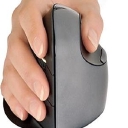
Best when you want on‑the‑fly angle tuning: the adjustable hinge lets you fine‑tune hand angle for specific pain points, at the cost of extra complexity and bulk versus fixed designs.
Source | Citation share |
|---|---|
 The Best Ergonomic Mouse of 2026: Mice Reviews - RTINGS.comhttps://www.rtings.com/mouse/reviews/best/ergonomic | 6.4% |
 The Most Recommended Ergonomic Mice by the Ergonomics Expertshttps://ergo-plus.com/the-most-recommended-ergonomic-mice-by-the-ergonomics-experts/ | 5.4% |
 I Spent 4-Months Testing Vertical Ergonomic Mice - Here's My Top 5 - YouTubehttps://www.youtube.com/watch | 4.9% |
Best Computer Mouse for Wrist Painhttps://techdepartment.co/best-computer-mouse-wrist-pain | 3.8% |
 The Best Ergonomic Mouse | Lab Tested & Rankedhttps://www.techgearlab.com/topics/small-and-home-office/best-ergonomic-mouse | 3.3% |
After Testing 5, This Is The BEST Mouse for Carpal Tunnel!https://www.youtube.com/watch | 2.7% |
Best Ergonomic Mouse 2026: Evoluent 4 vs Logitech MX Verticalhttps://www.rogerperkin.co.uk/work-from-home/best-vertical-mouse/ | 2.2% |
 The 5 Best Ergonomic Mice to Prevent Wrist Strain of 2025 - Digital Wellness Labshttps://www.digitalwellnesslabs.com/the-5-best-ergonomic-mice-to-prevent-wrist-strain-of-2025/ | 2.0% |
 Logitech Mx Vertical Mouse Recommendation for Wrist Pain?https://www.reddit.com/r/editors/comments/1ic1pgb/logitech_mx_vertical_mouse_recommendation_for/ | 1.8% |
 Best Ergonomic Mouse Options for Preventing Wrist Strain (2025) - 9metershttps://9meters.com/technology/pc/best-ergonomic-mouse | 1.8% |
If your main goal is **reducing wrist and forearm strain**, my top pick is the **Logitech MX Vertical**. - **Logitech MX Vertical Ergonomic Wireless Mouse** - $99.99 (Logitech) ### Why I’d pick it
If your main goal is reducing wrist and forearm strain, my top pick is the Logitech MX Vertical.
If you have small-to-medium hands, I'd actually choose the Logitech Lift instead. RTINGS currently rates it as its best vertical mouse for most people, specifically because its smaller shape accommodates smaller hands better.
For a budget experiment, the Anker vertical mouse is around $30 and lets you see whether the vertical posture works for you before spending $100+.
My ranking:
One important caveat: a vertical mouse can improve posture and reduce strain, but it isn't a guaranteed treatment for existing wrist pain. Fit, grip pressure, desk height, and how much you move your arm versus your wrist matter too.
If you tell me your hand size (small/medium/large), right- or left-handed, and whether you're using it mainly for office work, coding, or gaming, I can narrow it down to one model.
When it comes to preventing wrist strain, the "best" vertical mouse depends heavily on your **hand size** and **hand orientation** . By holding your hand in a natural "handshake" position (typically at a 57° angle), vertical mice eliminate the forearm twisting that causes repetitive…
When it comes to preventing wrist strain, the "best" vertical mouse depends heavily on your hand size and hand orientation . By holding your hand in a natural "handshake" position (typically at a 57° angle), vertical mice eliminate the forearm twisting that causes repetitive strain.
The top-rated vertical mice on the market stand out for specific needs:
Add to listLogitech Lift Vertical (Best for Small to Medium Hands): Widely considered the gold standard for most users, it features a cozy rubber grip, a 57° tilt, quiet clicks, and multi-device pairing. It is available on the Logitech Official Store.
Add to listLogitech MX Vertical (Best for Large Hands): A larger, heavier, premium option with a textured surface, a high-precision 4,000 DPI sensor, and fast USB-C recharging. Check pricing and details on the Logitech Store for MX Vertical.
Add to listEvoluent VerticalMouse 4 / D Series (Best for Deep Customization & Heavy Strain Relief): Highly recommended by physical therapists and ergonomists, Evoluent offers a truer vertical posture with a lip on the bottom to keep your pinky from dragging on the desk. You can view availability via the Best Buy Evoluent Listing.
Add to listAnker Wireless Vertical Mouse (Best Budget Pick): If you want to try out the vertical form factor without spending $70–$100, this budget-friendly option offers basic ergonomic relief at a fraction of the cost.
To help narrow down the ideal choice, could you share:
I can give you a tailored recommendation.
When it comes to preventing wrist strain, the "best" vertical mouse depends heavily on your **hand size** and whether you prefer a **natural handshake angle** that takes pressure off your carpal tunnel and pronated forearm. The top-rated vertical mice on the market stand out for specific needs: **Best Overall for…
When it comes to preventing wrist strain, the "best" vertical mouse depends heavily on your hand size and whether you prefer a natural handshake angle that takes pressure off your carpal tunnel and pronated forearm.
The top-rated vertical mice on the market stand out for specific needs:
Best Overall for Medium-to-Large Hands: Logitech MX Vertical Go to product viewer dialog for this item. — Features a science-backed 57° vertical angle that reduces muscular strain and wrist pressure. It has a high-precision 4000 DPI sensor (meaning less hand movement is required), a premium textured rubber grip, and fast USB-C recharging.
Logitech Lift Vertical Ergonomic Mouse Go to product viewer dialog for this item. — If the MX Vertical Go to product viewer dialog for this item. feels too chunky or large, the Lift places your hand at the same optimal 57° angle but in a smaller, softer-textured frame. It also comes in a dedicated left-handed version , features whisper-silent clicks, and runs on a single AA battery for up to 2 years.
Best Budget / Value Pick: Ergodriven Otter / Om Ergonomic Mouse Go to product viewer dialog for this item. — A great, more affordable wireless vertical handshake mouse option that puts your wrist and forearm in a neutral posture to curb shoulder and wrist fatigue, complete with dual connectivity and a handy minimalist OLED status screen.
To help narrow down the ideal choice, let me know:
I can give you a tailored recommendation and look up current pricing!
If your main goal is **reducing wrist/forearm strain**, my top pick for most people is the **Logitech MX Vertical**. - **Logitech MX Vertical** - $99.99 (Logitech) ### My picks
If your main goal is reducing wrist/forearm strain, my top pick for most people is the Logitech MX Vertical.
Best overall: Logitech MX Vertical — Its 57° “handshake” angle puts your hand in a more neutral position and reduces forearm pronation. It has a comfortable thumb rest, good palm support, adjustable cursor speed, and multi-device connectivity. It's particularly good for medium-to-large hands.
Best for small/medium hands: Logitech Lift — Also uses a 57° vertical orientation but has a smaller body, making it easier to grip without stretching your fingers. RTINGS currently rates it as its best vertical mouse for most people.
Most aggressively vertical: Evoluent VerticalMouse — A good choice if you specifically want a more upright grip and extensive hand support. It's considerably more expensive, though.
Logitech MX Vertical - $99.99 (Logitech)
Logitech Lift - $63.89 (Logitech)
Evoluent VerticalMouse 4 - $129.00 (Best Buy)
A vertical mouse can improve wrist posture and comfort, but the evidence that it prevents repetitive-strain injuries long-term is not definitive. Fit matters enormously: a mouse that's too large or forces you to grip tightly can defeat the purpose.
My simple recommendation:
If you tell me your hand length (wrist crease to tip of middle finger) and whether you're right- or left-handed, I can narrow it down to the best specific model and size for you.
The "best" vertical mouse depends significantly on your **hand size** and **specific type of discomfort** , as a fixed angle that feels great for one person might cause strain for another. Vertical mice reduce wrist strain by eliminating forearm pronation (the flat, palm-down twist that stresses tendons and compresses…
The "best" vertical mouse depends significantly on your hand size and specific type of discomfort , as a fixed angle that feels great for one person might cause strain for another. Vertical mice reduce wrist strain by eliminating forearm pronation (the flat, palm-down twist that stresses tendons and compresses the carpal tunnel).
The top-rated vertical mice recommended by ergonomics experts are organized below by category and fit:
Logitech MX Vertical (Best Overall / Full-Sized)
Logitech Lift Vertical Ergonomic Mouse (Best for Small-to-Medium Hands / Left-Handed Users)
Contour Design UniMouse (Best Fully Adjustable Angle)
Evoluent VerticalMouse D (Best for Precision and Finger Support)
To help narrow down which one is right for you, let me know:
If your main goal is **reducing wrist/forearm strain**, my top pick for most people is the **Logitech Lift Vertical Ergonomic Mouse**. ### [Logitech Lift Vertical Ergonomic Mouse](https://www.logitech.com/en-us/shop/p/lift-vertical-ergonomic-mouse?utm_source=chatgpt.com&utm_campaign=marketplace) *$63.89*
If your main goal is reducing wrist/forearm strain, my top pick for most people is the Logitech Lift Vertical Ergonomic Mouse.
$63.89
1. Logitech Lift — best for most people
2. Logitech MX Vertical — best for medium/large hands
$99.99
The MX Vertical has the same 57° concept but is substantially larger. It provides excellent ergonomics and tracking, but can be uncomfortable if your hands are small.
3. Evoluent VerticalMouse — best if wrist relief is the absolute priority
$119.00
Evoluent takes the vertical concept further with a much more upright orientation. It's worth considering if conventional 57° mice don't relieve your discomfort, although it's considerably more expensive.
| If you have... | Pick |
|---|---|
| Small/medium hands | Logitech Lift |
| Medium/large hands | Logitech MX Vertical |
| Severe discomfort and want the most upright design | Evoluent VerticalMouse |
| Left hand | Logitech Lift Left or an Evoluent left-handed model |
One important caveat: a vertical mouse isn't a treatment or guaranteed prevention for wrist disorders. Research does support that angled/vertical designs can improve wrist posture and reduce pronation, but comfort varies substantially by hand size and individual use.
Bottom line: I'd start with the Logitech Lift. It's less bulky than the MX Vertical, fits more people, and currently has the strongest combination of ergonomic design, comfort, and price.
The "best" vertical mouse depends heavily on your **hand size** and **specific pain points** , as a fixed angle that feels great for one person might cause awkward reaching for another. Vertical mice eliminate wrist strain by placing your hand in a neutral "handshake" position, stopping your forearm from twisting flat…
The "best" vertical mouse depends heavily on your hand size and specific pain points , as a fixed angle that feels great for one person might cause awkward reaching for another. Vertical mice eliminate wrist strain by placing your hand in a neutral "handshake" position, stopping your forearm from twisting flat against the desk.
The top-rated vertical ergonomic mice on the market feature distinct advantages depending on your needs:
Logitech MX Vertical (Best Overall for Medium-to-Large Hands): Widely considered the gold standard for everyday office productivity. It features a scientifically-backed 57° vertical angle that reduces muscular strain and forearm twisting. It also boasts a high-precision 4000 DPI sensor (meaning less physical hand movement is needed across your desk) and multi-device pairing. You can check availability on the Logitech Store.
Logitech Lift Vertical (Best for Small-to-Medium Hands / Lefties): If the MX Vertical feels too chunky or large, the Lift is a smaller, more organic-feeling alternative that still utilizes the optimal 57° tilt . Critically, unlike many ergonomic competitors, it is sold in a dedicated left-handed version as well as right-handed. It features silent clicks and runs on a single AA battery. Reviews and purchasing options are detailed in the Wirecutter Wireless Mouse Guide.
Contour Design UniMouse (Best for Customizable Angles): This is the top pick if you aren't sure which fixed vertical angle you need. It features a fully adjustable hinge letting you dynamically change the tilt anywhere from 35° to 70°, plus an adjustable thumb rest. It is ideal if you have severe, stubborn forearm or wrist tendinitis and need to micro-adjust your posture throughout the day. More details can be found directly on the Contour Design UniMouse Page.
Evoluent VerticalMouse 4 (Best for Maximum Upright Posture): Evoluent pioneered the truly upright vertical mouse design. It forces a very steep, natural vertical alignment and comes in specific sizes to match your exact hand dimensions, preventing your pinky finger from dragging or rubbing against the desk surface.
If you tell me your hand length (from wrist to tip of middle finger), whether you are left- or right-handed , and if you need multi-device Bluetooth switching , I can recommend the exact model that will fit you best.
If your main goal is **reducing wrist strain**, my top pick for most people is the **Logitech Lift Vertical**. ### [Logitech Lift Vertical Ergonomic Mouse](https://www.staples.com/logitech-lift-vertical-ergonomic-wireless-optical-usb-mouse-graphite-910-006466/product_24531799?utm_source=chatgpt.com) *$69.99*
If your main goal is reducing wrist strain, my top pick for most people is the Logitech Lift Vertical.
$69.99
| Mouse | Best for | Why |
|---|---|---|
| Logitech Lift | Most people / small-medium hands | 57° “handshake” position, comfortable grip, relatively compact |
| Logitech MX Vertical | Medium-large hands | Larger body and excellent palm support; 57° vertical design |
| Evoluent VerticalMouse D | Maximum wrist/forearm positioning | More aggressively vertical design and excellent hand support |
| Kinesis DXT Mouse 3 | Switching between hands | Ambidextrous design |
RTINGS currently rates the Logitech Lift as its best vertical mouse, specifically noting that its vertical orientation helps put the hand in a more natural position and limit forearm pronation. www.rtings.com Logitech's own ergonomic materials likewise describe its 57° vertical mice as reducing pronation and wrist pressure.
I'd choose the Lift if your hand is small-to-medium sized. It's easier to adapt to than very aggressively vertical mice, has a comfortable thumb rest, quiet buttons, and works wirelessly via Bluetooth or receiver.
$79.99
If you have large hands, I'd step up to the MX Vertical instead. The Lift can feel cramped, while the MX Vertical is specifically better suited to larger hands.
$99.99
One important point: a vertical mouse isn't automatically better. Correct hand size, relaxed grip, low mouse sensitivity, and keeping your elbow/forearm supported matter enormously. Also, give yourself several days to adapt to the new hand position.
If you tell me your hand size (in inches/cm from wrist crease to tip of middle finger) and whether you're right- or left-handed, I can narrow it down to the best specific model and size.
If your main goal is **reducing wrist and forearm strain**, my top pick is the **Logitech Lift Vertical Ergonomic Mouse**. ### [Logitech Lift Vertical Ergonomic Mouse](https://www.logitech.com/en-us/shop/p/lift-vertical-ergonomic-mouse.910-006469?utm_source=chatgpt.com) *$69.99*
If your main goal is reducing wrist and forearm strain, my top pick is the Logitech Lift Vertical Ergonomic Mouse.
$69.99
RTINGS currently calls the Lift its best vertical ergonomic mouse for most people, specifically noting its more natural wrist/forearm position.
$99.99
The MX Vertical has the same basic 57° concept but is substantially larger. It's the better choice if the Lift feels cramped. RTINGS specifically finds the MX Vertical better suited to larger hands.
$114.95
Evoluent makes more aggressively vertical mice, which some people find even more comfortable. The tradeoff is price and a more specialized feel; fit is particularly important.
| If you... | I'd choose |
|---|---|
| Have small/medium hands | Logitech Lift |
| Have large hands | Logitech MX Vertical |
| Want the most aggressively vertical design | Evoluent |
| Want the safest first purchase | Logitech Lift |
One important caveat: a vertical mouse can reduce forearm rotation, but it isn't a guarantee against wrist problems. Mouse sensitivity, keeping the mouse close to your body, avoiding excessive gripping, and taking movement breaks matter too.
If you tell me your hand length (wrist crease to tip of middle finger) and whether you're right- or left-handed, I can tell you which specific size/model I'd buy.
There is no single "best" vertical mouse for everyone because hand size and wrist angles vary , but industry reviews and ergonomic testing consistently point to a few top contenders depending on your specific needs.[](https://www.nytimes.com/wirecutter/reviews/best-wireless-mouse/)…
There is no single "best" vertical mouse for everyone because hand size and wrist angles vary , but industry reviews and ergonomic testing consistently point to a few top contenders depending on your specific needs.
The core benefit of a vertical mouse is that it places your hand in a natural "handshake" position (57° to 90° tilt), eliminating the forearm twisting (pronation) caused by traditional flat mice.
Top vertical mice are categorized below by hand size and adjustability:
Logitech Lift (Best for Small to Medium Hands)
Widely recommended by tech publications like Wirecutter as the most comfortable daily driver for the majority of users. It features a 57° tilt angle, whisper-quiet clicks, a smart scroll wheel, and runs on a single AA battery (lasting up to two years). Importantly, Logitech also makes a dedicated left-handed version of the Lift . Details and purchasing options are available on the Logitech Lift Product Page.
Logitech MX Vertical (Best for Medium to Large Hands)
A larger, premium alternative to the Lift . It also uses a 57° angle to reduce muscular strain, but has a heavier, more substantial footprint and a high-precision 4000 DPI sensor that requires less hand movement. It recharges via USB-C and allows you to seamlessly switch between multiple computers. You can explore specifications on the Logitech MX Vertical Page.
Contour UniMouse (Best Fully Adjustable Angle)
If fixed-angle mice (57°) don't completely alleviate your pain, the UniMouse is unique because it features an adjustable hinge allowing you to alter the vertical angle anywhere from 35° to 70°. It also includes an articulated, adjustable thumb rest and comes in both right- and left-handed models. Learn more directly from Contour Design.
Evoluent VerticalMouse D / VM4 (Best for Severe Strain / 90° Angle)
Created by the pioneer of vertical mice, Evoluent Go to product viewer dialog for this item. offers a steep, near-vertical 90° handshake posture . It is ideal for users with pronounced repetitive strain injuries (RSI) or carpal tunnel syndrome who need a completely upright posture, though it does have a steeper learning curve.
To help narrow down which one will actually stop your strain, tell me: